The Town of Iron River discussed a possible housing district in October, following Wisconsin's new law creating a residential tax incremental district.
At its regular meeting on October 8, 2026, the board held what the official minutes call "a lengthy discussion on TIF District for housing with possible use of the Bayfield Electric land." The engineering firm SEH talked about housing potential, showed a slideshow on tax incremental financing and took questions. No vote was taken on the item.
Why a Town Could Even Have This Conversation in October
Until this fall, towns had no access to this tool. 2025 Wisconsin Act 235 was enacted April 8, 2026, and took effect October 1, 2026. It created a new kind of district called a residential tax incremental district. It also added a provision that lets a town board "exercise all powers of cities" for that district type, as long as the town "operates a sewerage system or in which a sanitary district is located."
Iron River has a sanitary district. The Iron River Sanitary District describes itself as a municipal water and sewer utility that runs waste stabilization ponds. According to the Wisconsin Department of Revenue's residential TID FAQ, a town that meets the sewer or sanitary district test does not have to meet the minimum population or value thresholds that apply to other town TIDs.
The law took effect October 1, and Iron River's board was looking at it a week later.
The housing question has been around longer than the law. In 2023 the town set up an ad hoc housing committee, and the Ashland Daily Press covered it under the headline "Iron River forms committee to address housing crisis." "Bayfield Eletric," as the agenda spelled it, was already on the committee's July 6, 2023 agenda. That August, committee minutes recorded a proposed WHEDA grant application of about $50,000 to buy property, focused on a site near the Industrial Park. The committee had no decision-making authority and reported to the Town Board. The new law gives the board a financing tool for a conversation it has been having for three years.
Bayfield Electric Cooperative's office is at 68460 District St. in Iron River. The co-op's 34,000-square-foot facility there was built in 2015. The October minutes use only the phrase "the Bayfield Electric land."
Residential TID Funding
Ordinary TIF districts pay for roads, utilities and similar work, then repay those costs from the extra property tax the new development produces. A residential TID can pay for public works tied to qualifying residential development.
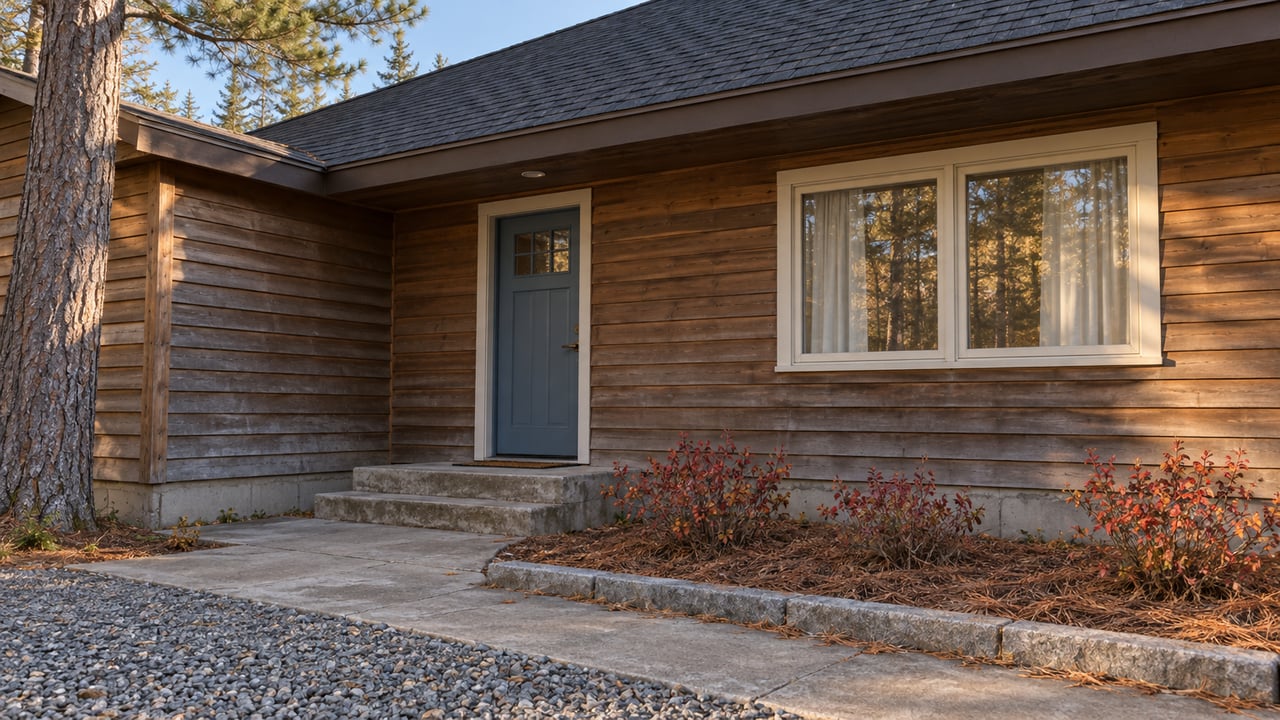
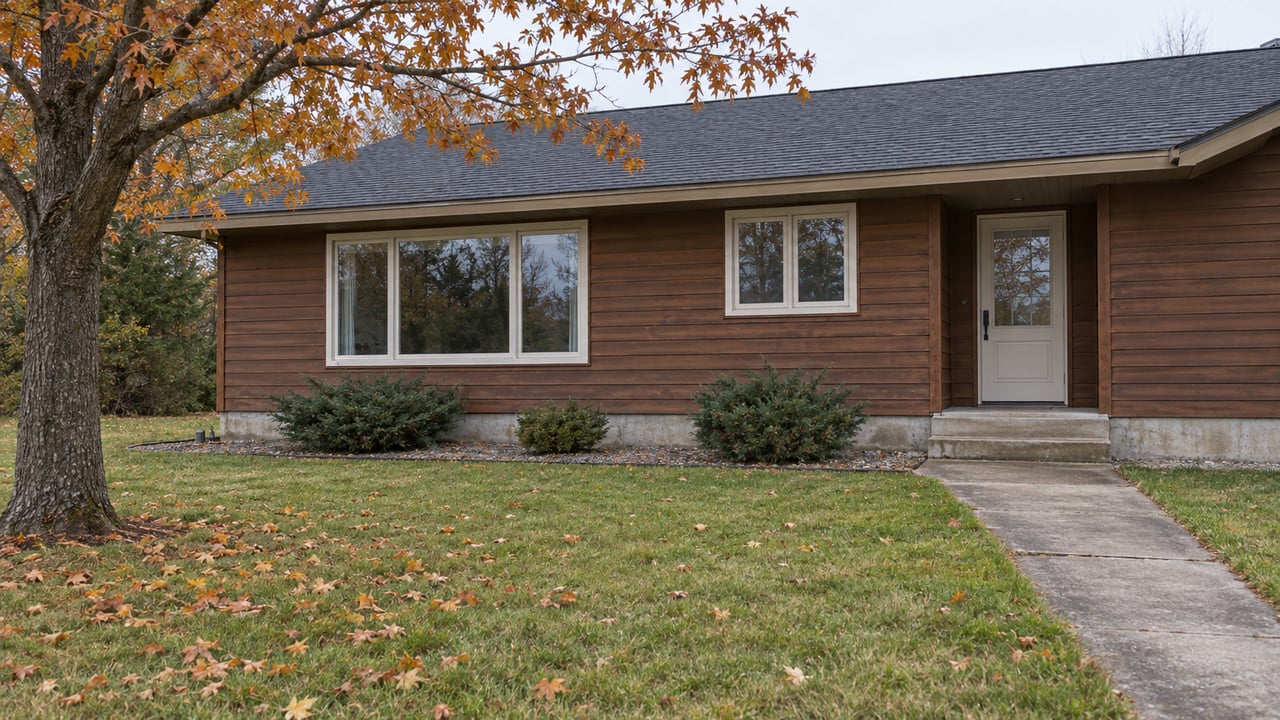
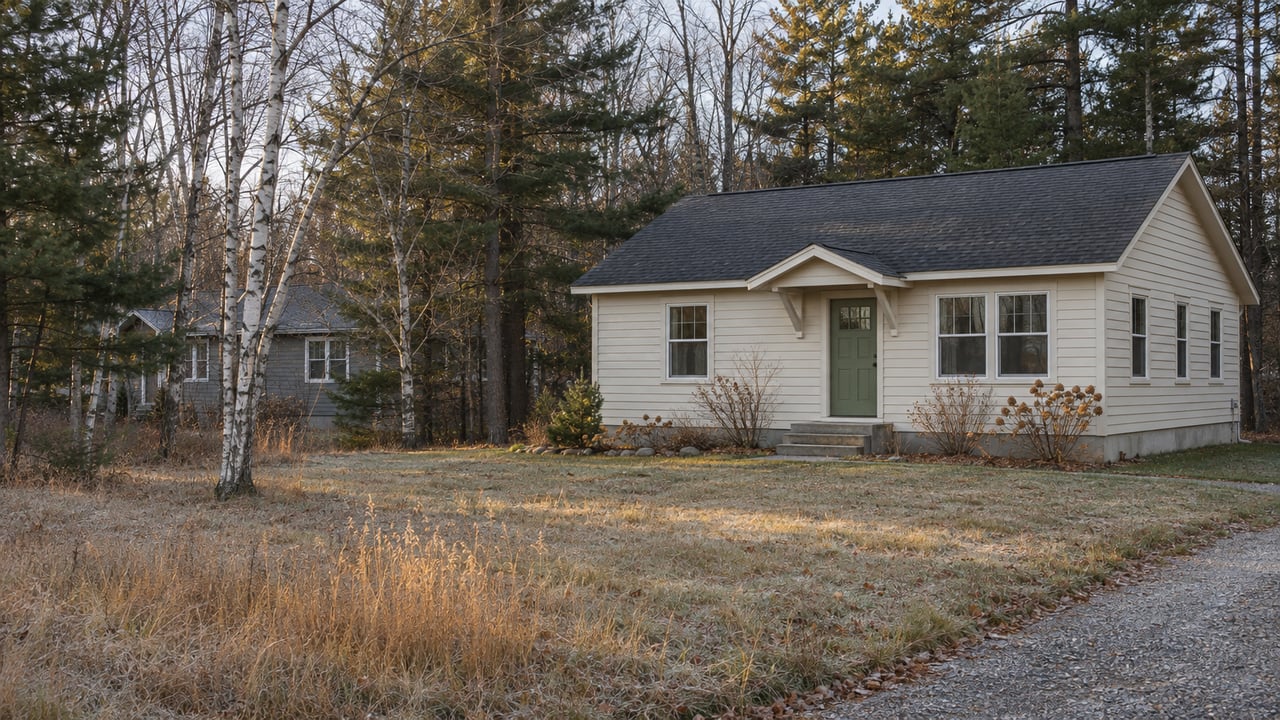
The law describes a compact, modest house on a small, narrow lot with tight side yards. That is close to a starter home in its plainest form.
The law also sets what the money can buy. Project costs are limited to "infrastructure necessary for residential developments" plus professional, administrative and organizational costs. DOR lists utilities, water, sewer and roads as examples. It says a park or greenspace cannot be funded through a residential TID, even if the town requires one.
The Ownership Rule
The law includes owner-occupancy requirements for residences supported by the district.
How a Residential TID Is Financed
This rule decides whether anything happens. Under Act 235, all project costs must be paid directly from the tax increment the district generates, or financed by a developer. DOR puts it bluntly: "A municipality cannot borrow or use transfers from other funds to pay TID costs." A residential TID also can't receive money from another TID or send money to one.
At the start of a district there is no increment, because the houses haven't been built and taxed yet.
A district can last up to 20 years, and the joint review board can approve a three-year extension. DOR adds that any plan amendment that raises costs after the district's first 10 years needs unanimous joint review board approval.
How Big Iron River's Ceiling Is
The law also caps scale. The district's equalized value plus the value increment of all existing residential TIDs can't exceed 3 percent of the municipality's total equalized value.
The Department of Revenue certified the Town of Iron River's equalized value at $389,670,400 as of January 1, 2026, with a certificate dated August 15, 2026. Three percent of that is about $11.69 million.
The 2026 figure is lower than DOR's 2025 number for the town, $401,125,700. Three percent of the 2025 value would have been about $12.03 million, about $340,000 more than three percent of the 2026 value. If DOR finds a district over the cap, the town must rescind the plan or remove parcels within 30 days.
What Has to Happen Before Any Ground Is Broken
DOR says a town follows the same creation process that applies to other TIDs under § 66.1105:
- Write a project plan, including how owner occupancy will be met.
- Hold the required public hearing and joint review board meetings.
- Adopt resolutions, including one naming the district and finding that the plan complies, costs are eligible, and the 3 percent cap is met.
- Send the certified resolution to DOR and the joint review board.
- Get joint review board approval.
The town must also set two things by resolution or ordinance: the maximum development-related fees it will charge, and the architectural and construction requirements for qualifying homes. For a buyer, those two choices will determine the final price and look of the houses more than anything said so far. Each step is public, and the plan, hearing and resolutions will appear on the town's meeting agendas when it gets to them.
A Few Quick Answers
Does a residential TID raise my property taxes?
The statute governs how project costs are paid. It doesn't set any individual tax bill, and those questions belong with the town and your own tax advisor.
Can Iron River create more than one?
Yes. Districts are numbered in order. All of them together still have to fit under the single 3 percent cap.
This post is general information about a new state law. It is not legal, tax or financial advice, so please confirm how any of it applies to you with an attorney, accountant or lender.
If you own land in Iron River and wonder how a possible housing district could affect what buyers look for nearby, or you're a buyer hoping a smaller new home becomes an option here, Peggy Kman follows the Town Board's agendas and can talk through the real estate side of each step, leaving legal and tax questions to your attorney and accountant. Schedule a free consultation.