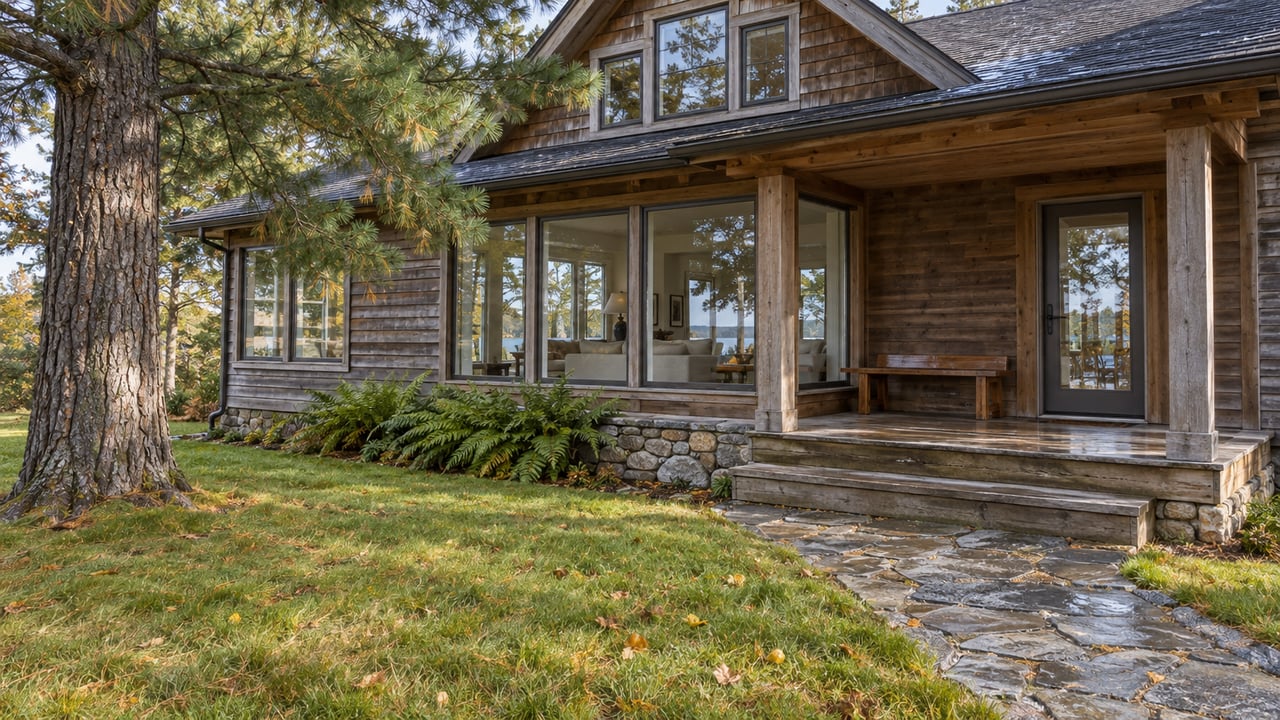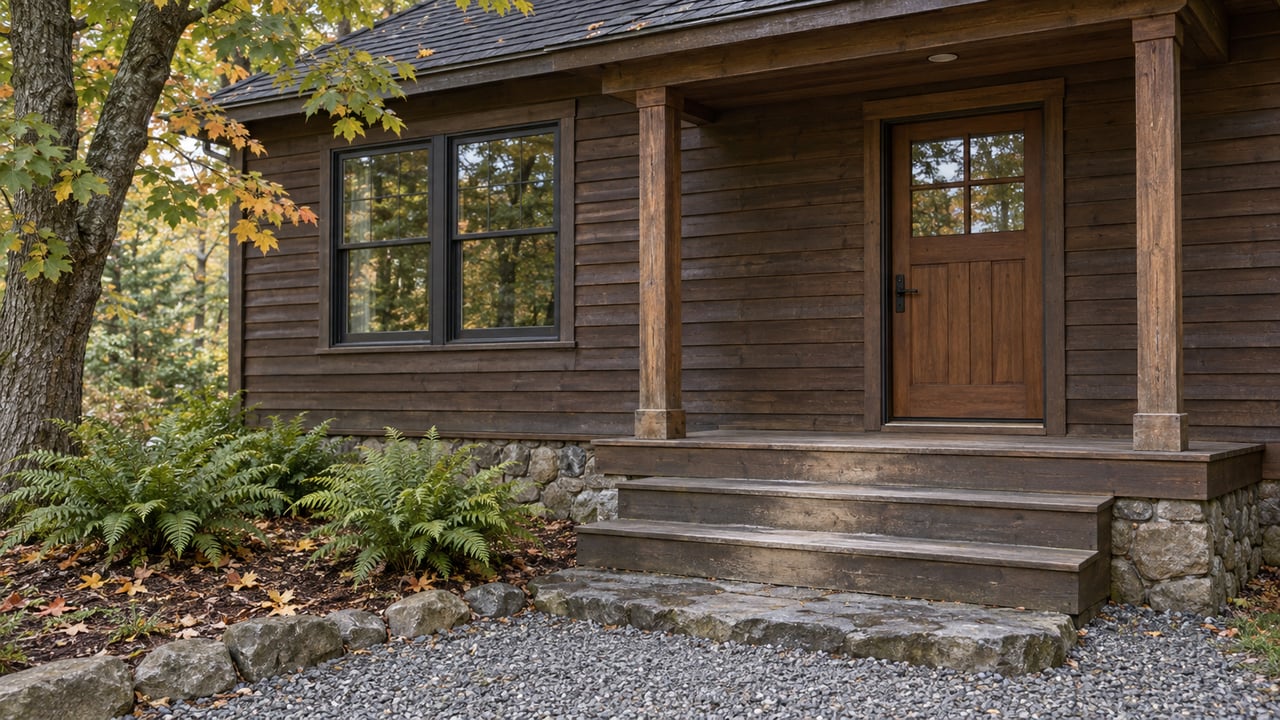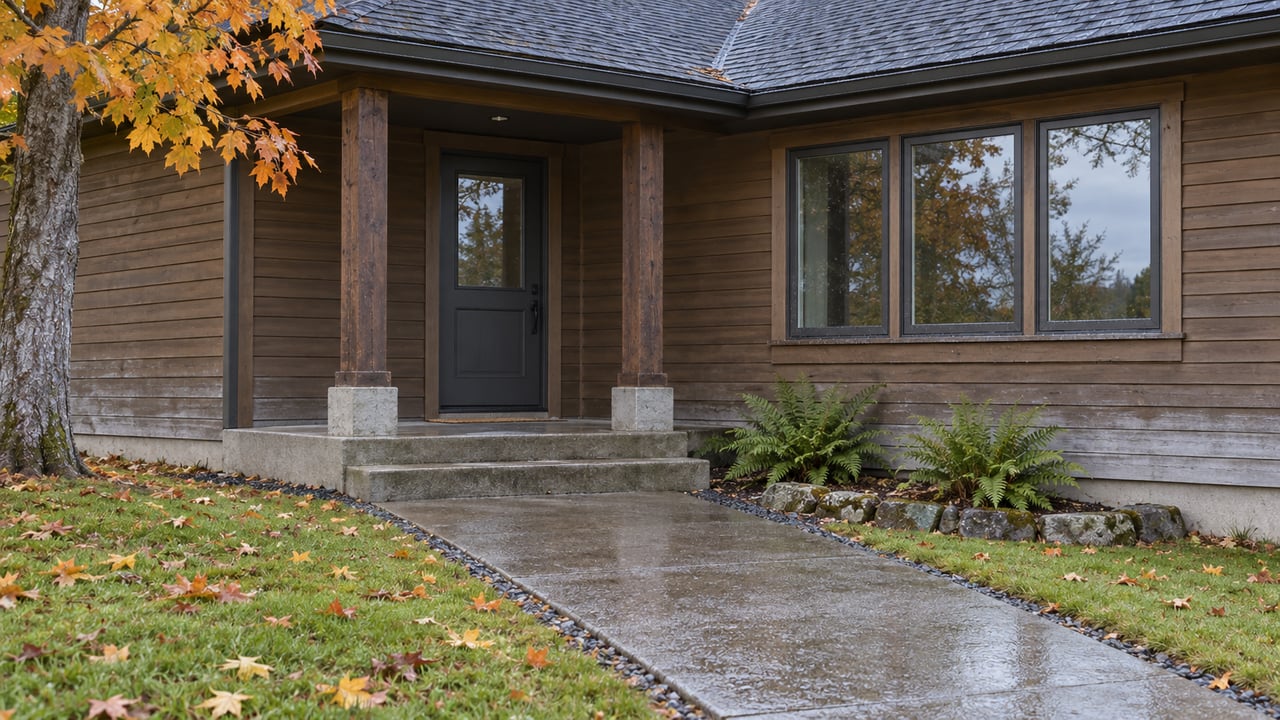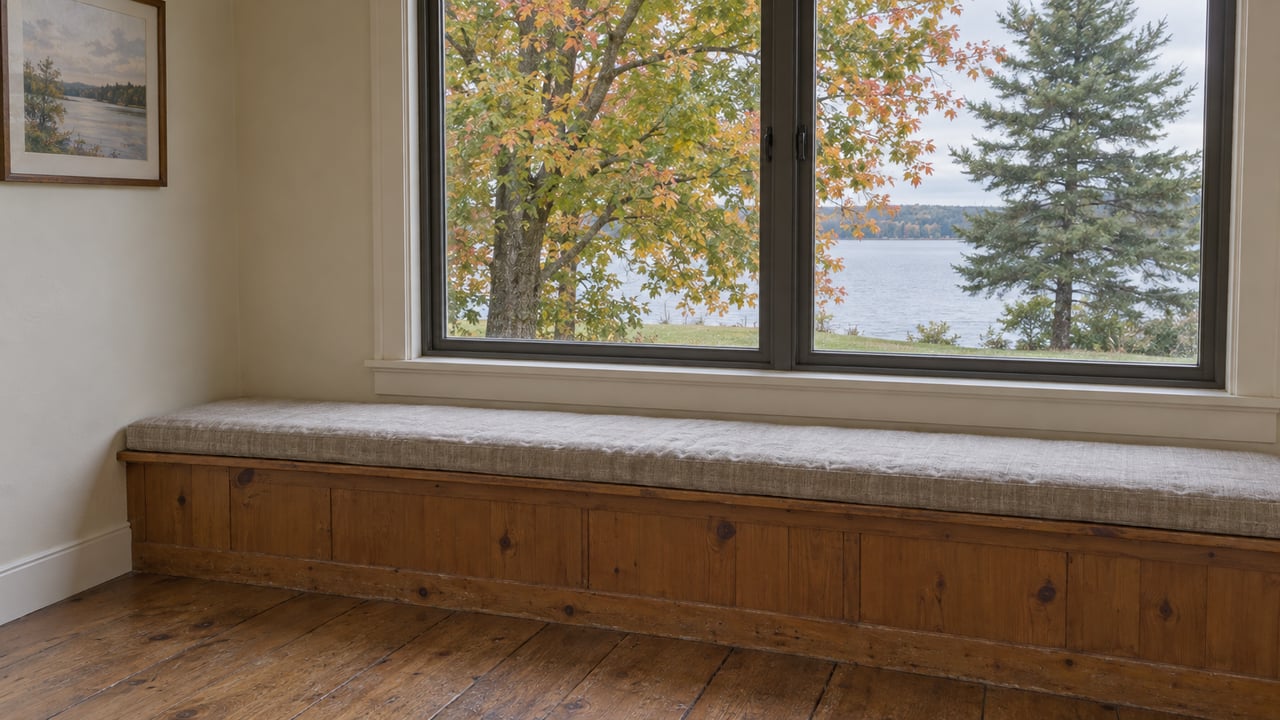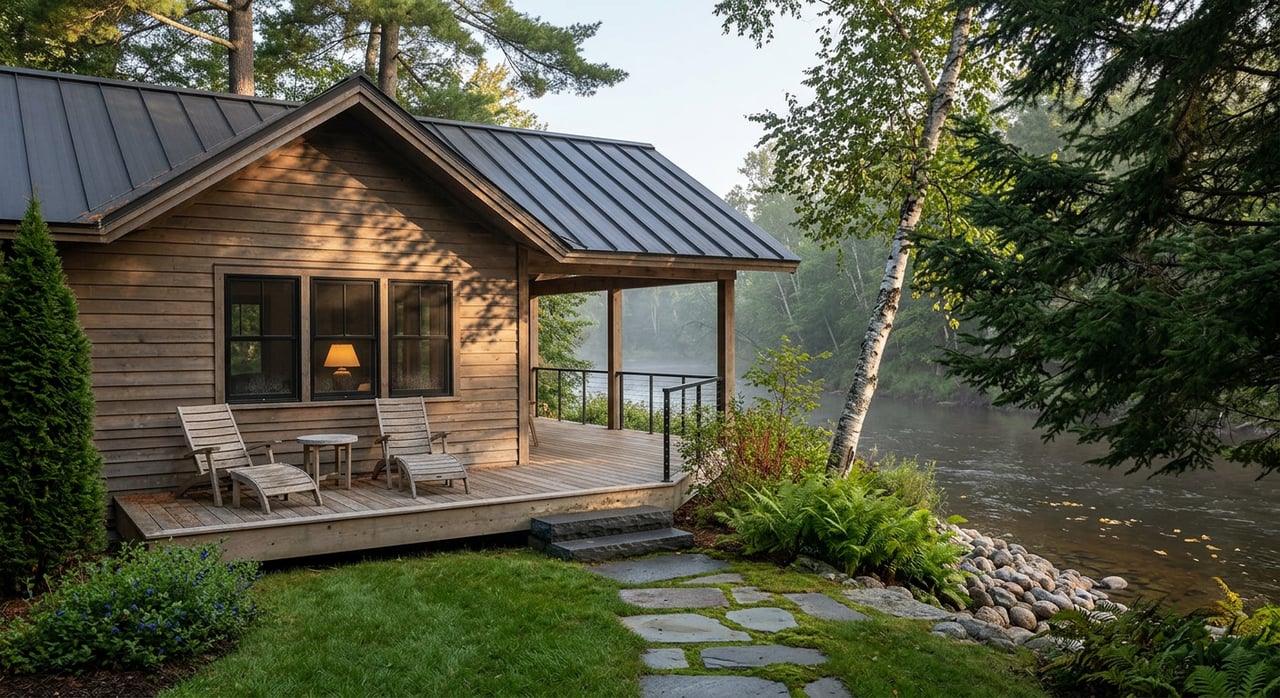
Picture this: morning light over clear, spring-fed water and a trout rising in the current while coffee steams on your deck. Buying on the Brule River feels special, and it is. Riverfront here comes with unique rules, timelines, and practical checks that lake buyers may not expect. In this guide, you’ll learn the key shoreland setbacks, floodplain mapping updates, permit timing, rental licensing, septic must-knows, and an easy checklist tailored to Brule. Let’s dive in.
Why Brule riverfront appeals
The Brule, also called the Bois Brule, is a regionally known trout and migratory salmon/steelhead fishery with distinct segments and seasonal angling pressure. Canoeing and kayaking are part of daily life in peak season, and public access is focused at marked day-use sites. If you value a northwoods river experience over a traditional lake lifestyle, the Brule delivers. For fishing regulations, access points, and seasonal rules, review the Wisconsin DNR’s Brule River overview and regulations page for current details and special segments (DNR Brule River fishing and regulations).
Key shoreland rules to know
Setbacks and the OHWM
Wisconsin shoreland rules apply within 300 feet of a navigable river. In Douglas County, most principal structures must meet a 75-foot setback from the ordinary high-water mark (OHWM). Some sites may qualify for legal setback averaging with nearby homes, but not below 35 feet. Always verify the measured OHWM and specific parcel setbacks with county zoning before you plan improvements (Douglas County shoreland zoning basics).
Vegetation and mitigation
Douglas County typically requires a vegetative buffer in the first 35 feet landward of the OHWM and uses a mitigation program when development affects this zone. Expect a recorded mitigation or preservation affidavit if restoration is part of prior or proposed work. If you plan small, open-sided structures in the setback area, you may be required to preserve higher vegetative cover as part of mitigation. Ask for any recorded shoreland mitigation documents tied to the property (Douglas County mitigation program and affidavit info).
Floodplains, maps, and insurance
Flood risk along the river can change with new maps. Preliminary Flood Insurance Rate Maps for Douglas County were released on December 2, 2024, with a target of 2026 for effective maps, subject to appeals. A remap can shift a structure or parcel into a higher-risk zone that may require flood insurance for federally backed loans and can affect building standards. Start by checking the county fact sheet, then verify the current effective map for the exact parcel at the FEMA Map Service Center (Douglas County flood mapping fact sheet; FEMA Map Service Center).
If a structure lies in a regulatory floodplain, local ordinances often require the lowest floor to be above the Base Flood Elevation or require floodproofing for certain uses. Building in a mapped floodway is highly restricted. Speak with the county floodplain administrator early if you plan to remodel, expand, or add outbuildings in shoreland areas.
Riparian rights and public use
Riverfront ownership differs from lakes. On navigable streams, riparian owners often own to the thread of the stream unless limited by deed, while lakebeds below the OHWM are generally state-owned. The public has the right to navigate and recreate on navigable waters, so you cannot prevent people from floating past your land. In-water work like piers or riprap requires compliance with state rules and permitting. For a clear overview of riparian rights and public trust principles, use this UW-Extension reference (Wisconsin Water Law guide).
Permits and seasonal timing
Waterway permits for in-water work
Activities waterward of the OHWM, such as riprap, docks, boat landings, or fills, are regulated by the DNR through general or individual permits. Many small projects may qualify under general permits if they meet standards, but sensitive features or larger projects typically require individual review. Check permit guidance early so your design and schedule align with rules (DNR waterways permit process).
Trout-stream timing windows
To protect spawning and habitat on trout waters, Wisconsin limits when many “general permit” in-stream activities can occur. For perennial tributaries to trout streams, the restricted period is September 15 through May 15. If your project involves bank stabilization, culvert replacement, or in-stream work, plan for a late spring to summer window or coordinate with DNR for exceptions as needed (timing restrictions for in-stream work).
Recreation realities on the Brule
Fishing rules and access
You’ll need a Wisconsin fishing license and an inland trout stamp for trout and salmon. Regulations vary by segment, and some reaches have seasonal closures or refuges. Private shoreline ownership can limit bank access, so day-use and state forest access points are the best bet if you plan to host visiting anglers. Review the latest reach-specific regulations before each season on the DNR’s Brule page.
Paddling traffic and privacy
Canoeing and kayaking are core Brule experiences, especially on summer weekends. Expect to see paddlers float past even on stretches with private banks. If you want to promote paddling access for guests, confirm legal shore access, parking, and any local limits on commercial activity or parking expansion before you advertise those amenities.
Short-term rentals, septic, and access
Short-term rental licensing
If you plan to rent your cabin, Douglas County licenses Tourist Rooming Houses under state rules. You should plan for inspections, fees, safety and sanitation standards, a 24-hour contact number, and compliance with any town-level requirements. Check both county health licensing and the Town of Brule for local rules before you list the property (Douglas County TRH licensing overview).
Septic systems and capacity
Many riverfront parcels use a private onsite wastewater treatment system. Ask for sanitary permits, inspection and pumping records, and confirm the system’s type and capacity against your intended occupancy. If you plan to host large groups or frequent turnovers, make sure your POWTS can handle peak loads or budget for an upgrade (Douglas County POWTS program).
Utilities, roads, and winter access
Remote cabins may sit on town or private roads with variable snowplow schedules and turnaround space. Confirm year-round access, emergency response times, and available power and broadband. Reliable access matters for day-to-day living and for rental guest satisfaction.
Smart buyer checklist for Brule riverfront
Use this quick list to organize due diligence before you write an offer or remove contingencies.
- Flood status: Check current FEMA map layers for the parcel and ask about any pending appeals or recent remaps. If flood risk is possible, price out flood insurance and consider ordering an elevation certificate (FEMA Map Service Center).
- Shoreland zoning: Verify the 75-foot OHWM setback, whether averaging could apply, and whether any structures are legally nonconforming. Ask zoning to confirm your parcel’s shoreland and floodplain designations (Douglas County shoreland zoning basics).
- Vegetation and mitigation: Request recorded shoreline mitigation or preservation affidavits and any approved restoration plans tied to the property (Douglas County mitigation program and affidavit info).
- Waterway work: If you want a dock or bank work, review DNR permit pathways and plan around trout timing restrictions (DNR waterways permit process; timing restrictions for in-stream work).
- Septic: Pull POWTS permits and service history. Confirm capacity against planned occupancy and rental use, and budget for upgrades if needed (Douglas County POWTS program).
- Rentals: If you plan an STR, confirm licensing, inspections, and any town rules before you list or advertise amenities (Douglas County TRH licensing overview).
- Recreation expectations: Confirm legal fishing access from the parcel, and locate nearby public access sites. Review the DNR’s segment-specific rules for the Brule (DNR Brule River fishing and regulations).
Your local advantage
Riverfront is a lifestyle and an investment. When rules are clear and records are in hand, the process feels simple and you can focus on what drew you to the Brule in the first place. As a long-time Northwoods broker, I help you assemble the right parcel records, coordinate with county zoning and health staff, and position your offer to fit the site’s realities.
Ready to start your Brule search or evaluate a specific property? Reach out to schedule a focused consult. You’ll leave with a due diligence plan tailored to your goals. Connect with Peggy Kman to schedule a free consultation.
FAQs
What is the minimum building setback for a Brule River property?
- Most principal structures must meet a 75-foot setback from the ordinary high-water mark, with limited averaging options that cannot reduce below 35 feet; always confirm the OHWM and setbacks with county zoning.
How do new FEMA flood maps affect buying a Brule River cabin?
- Preliminary county maps released in December 2024 could become effective in 2026, and a remap may require flood insurance for federally backed loans and affect building standards; check the parcel at the FEMA Map Service Center and review the county fact sheet.
Can I stop paddlers from floating past my Brule River shoreline?
- No, the public has the right to navigate and recreate on navigable waters, even where adjacent banks are privately owned, though in-water structures still require proper permits.
When can I do bank or in-stream work on the Brule?
- Many general-permit in-stream activities on trout waters are restricted from September 15 through May 15, so plan projects for late spring to summer or work with DNR on permit timing.
Is short-term renting allowed for Brule River cabins?
- Yes, but Douglas County licenses Tourist Rooming Houses and requires inspections, safety measures, and compliance with any town rules; confirm requirements before listing and budget for fees and inspections.