Thinking about buying or selling a Main Street building in Iron River? These properties can look straightforward at first glance, but small-town commercial real estate often has more moving parts than expected. If you understand the building, the leases, and the local approval steps before you act, you can make a much more confident decision. Let’s dive in.
Why Iron River Main Street Is Unique
Iron River’s Main Street serves both local needs and seasonal activity. The Town of Iron River describes a business mix that includes banks, grocery and bakery uses, national retail stores, gas stations, a motel, realtors, shops, restaurants, and a winery.
That matters because demand may come from more than year-round residents alone. The town also notes seasonal visitors and busy summer campgrounds, while Bayfield County fairgrounds on North Main Street host events and commercial vendors. For buyers and sellers, that means traffic and business performance may rise and fall with the season.
Older Buildings Need Closer Review
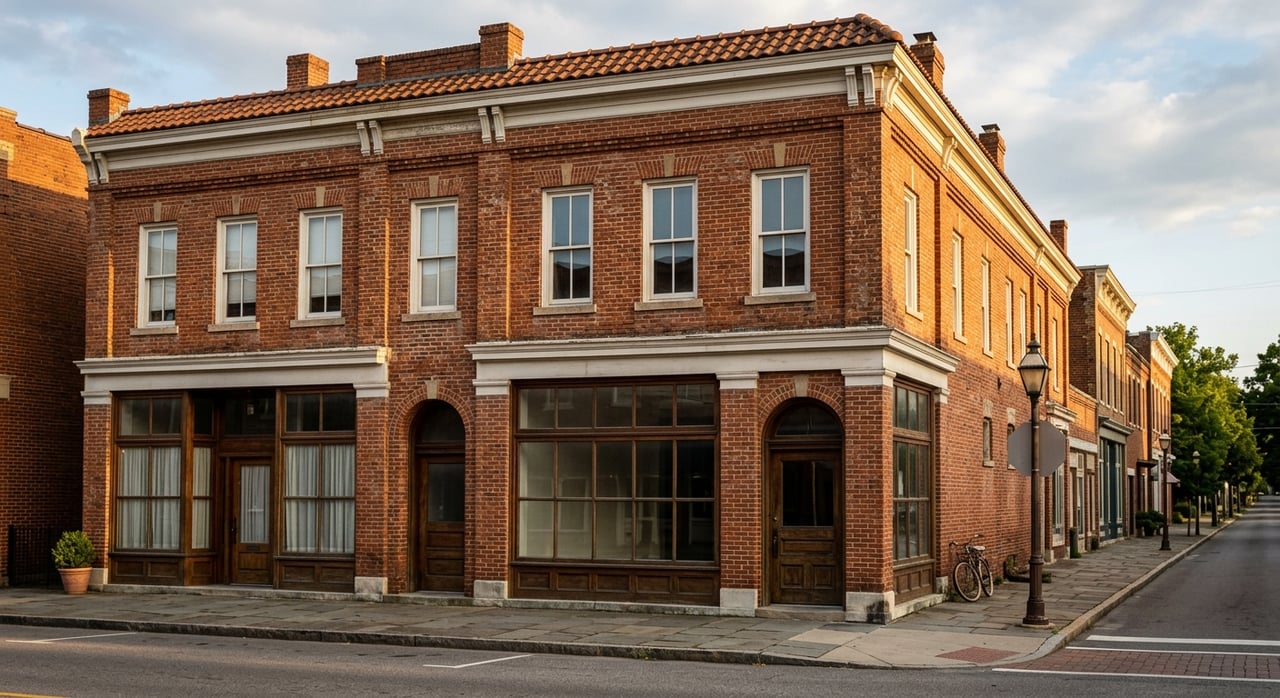
Many Main Street buildings in Iron River are older commercial structures. Historic survey records from the Wisconsin Historical Society describe several parcels as commercial vernacular retail buildings with features like brick or block construction, transomed storefronts, false-front cornices, and angled corner entrances.
Those details add character, but they can also signal extra due diligence. Older buildings may need a careful look at deferred maintenance, code fit, utility systems, and whether the current layout still works for modern tenants or owner-users.
What Buyers Should Review First
If you are buying a Main Street building, start with the basics before you focus on upside. A building may appear attractive based on rent or location, but the real story is usually in the documents.
Check zoning and parcel details
Bayfield County provides GIS and land records tools to search property information, survey records, and zoning districts. The county’s zoning map for the Town of Iron River includes a C Commercial district, but you should verify the zoning for the exact parcel before assuming a use will be allowed.
The county also advises property owners to contact Planning and Zoning before building or developing because requirements can change. If your plan involves renovation, a new business use, or changes to the building, this step should happen early.
Check flood status early
Floodplain questions can affect financing, insurance, and renovation plans. Bayfield County notes updated FEMA floodplain maps and also explains that lenders make the final flood-hazard determination.
If the property is near low ground or the river, it is smart to confirm flood status before you finalize pricing or financing assumptions. This can save time and prevent surprises later in the transaction.
Review the rent roll and leases
For an income-producing property, the lease file is one of the most important parts of your review. The OCC’s commercial real estate lending handbook notes that lenders pay close attention to rent rolls, lease expirations, tenant mix, cash flow, and property condition.
You will want to know:
- Who the tenants are
- When each lease expires
- Whether any tenants have renewal options
- What rent is actually being collected
- Whether any suites are vacant
- Whether the reported occupancy matches the building’s real use
Lease Terms Can Change the Numbers
Not all lease income works the same way. A building can look profitable until you learn the owner is paying more expenses than you expected.
According to Cornell Law School’s lease overview, common commercial structures include gross leases, modified gross leases, and triple net leases. Each one shifts costs differently between landlord and tenant.
Gross lease
In a gross lease, the tenant pays a set amount and the landlord covers taxes, maintenance, and other costs within that rent. This can be simple to manage, but your net income depends heavily on how well those expenses were estimated.
Modified gross lease
A modified gross lease splits expenses between landlord and tenant. The exact breakdown matters, so you should review each lease carefully rather than assuming all units follow the same pattern.
Triple net lease
A triple net lease usually requires the tenant to pay rent plus utilities and most or all taxes, insurance, and maintenance. This can create a cleaner income stream on paper, but you still need to verify the actual reimbursement language.
Expenses to verify
Before you buy or list a building, confirm who pays for:
- Property taxes
- Insurance
- Utilities
- Snow removal
- Common-area upkeep
- Repairs and maintenance
- Tenant improvements
On a Main Street building, these details can make a major difference in true cash flow.
How Value Is Really Measured
Buyers often ask, “What is the upside?” That is the right question, but it should be answered with realistic numbers.
The OCC explains that the income approach values a property by converting expected future net operating income, or NOI, into present value. It also notes that direct capitalization is based on stabilized NOI, meaning income adjusted for full lease-up assumptions and vacancy.
In practical terms, you should look at:
- Current gross income
- Expected vacancy
- Operating expenses
- Deferred maintenance
- Rent levels compared with current market conditions
If a suite is under-rented or vacant, there may be upside. But that upside should be tested against the likely cost of repairs, leasing time, tenant improvements, and carrying costs.
What Sellers Can Do Before Listing
If you plan to sell a Main Street building in Iron River, preparation can shape both buyer confidence and pricing strength. The cleaner your file and the clearer your numbers, the easier it is for buyers and lenders to evaluate the property.
Assemble the right documents
Based on the OCC guidance and Bayfield County tools, helpful documents include:
- Parcel record
- Zoning verification
- Rent roll
- Signed leases and amendments
- Operating statements
- Title insurance information
- Tax history
- A basic picture of current property condition
When these items are organized in advance, buyers can move from interest to analysis much faster.
Make expense allocation clear
One of the biggest mistakes in commercial marketing is presenting rent without clearly explaining expenses. If the landlord pays certain costs and tenants reimburse others, spell that out clearly.
This helps buyers understand the property’s actual operating picture. It also reduces confusion during due diligence and negotiation.
Address condition issues honestly
A buyer will usually notice visible maintenance issues, and lenders often care about condition as well. The OCC notes that inspections should confirm the property is adequately maintained and that tenant and vacancy information is accurate.
If your building has older systems, exterior wear, or repair needs, it is usually better to identify them early and build a pricing strategy around them. Clear information supports smoother negotiations.
Financing Questions Buyers Should Expect
If you are buying as an owner-user or with a business plan in mind, financing options may vary depending on how the building will be used. The SBA 7(a) loan program can be used to acquire, refinance, or improve real estate and buildings, with maximum loan amounts up to $5 million and terms tied to real estate that can extend up to 25 years.
The SBA 504 loan program provides long-term fixed-rate financing for major fixed assets, including existing buildings, land, new facilities, and certain improvements, with a listed maximum loan amount of $5.5 million.
The practical difference is important. The research indicates that 504 financing supports business-growth assets and cannot be used for speculative rental real estate, while 7(a) is more flexible. For a mixed-use Main Street building, the financing fit may depend on how much of the property supports your operating business versus passive rental income.
A Simple Due Diligence Checklist
Whether you are buying or selling, these are the questions worth answering early:
- What is the exact zoning for the parcel?
- Does flood status affect insurance or financing?
- What do the current leases actually say?
- Who pays which operating expenses?
- Are rents in line with current market conditions?
- Are there upcoming lease expirations?
- Is there deferred maintenance that changes the numbers?
- Can the building be re-tenanted easily if a space opens up?
These questions may sound basic, but they often shape value, financing, and marketability more than the asking price alone.
Why Local Guidance Matters
No two Main Street buildings are exactly alike in Iron River. One property may be driven by stable long-term tenancy, while another depends on seasonal traffic, mixed lease structures, or a renovation story.
That is why a property-specific review is often the safest next step before pricing, financing, or negotiating. When older building stock, seasonal demand, zoning questions, and lease details all come together, local context matters.
If you are considering buying or selling a Main Street building in Iron River, working with a broker who knows the local market can help you sort through the details and move forward with clarity. To talk through your property or your plans, Peggy Kman is here to help.
FAQs
What should you check before buying a Main Street building in Iron River?
- You should verify zoning, flood status, rent rolls, lease terms, operating expenses, property condition, and upcoming lease expirations before making a decision.
How do lease types affect an Iron River commercial building’s value?
- Lease structure affects who pays taxes, insurance, utilities, maintenance, and other costs, which directly changes the property’s true net income.
What documents should sellers prepare for an Iron River Main Street listing?
- Sellers should gather parcel records, zoning verification, rent rolls, signed leases, operating statements, tax history, title information, and a clear summary of property condition.
Can SBA financing be used for an Iron River mixed-use or commercial building?
- SBA 7(a) and SBA 504 financing may apply depending on how the property will be used, so buyers should confirm eligibility with a lender or CDC early in the process.
Why do older Main Street buildings in Iron River need extra due diligence?
- Historic commercial buildings may have deferred maintenance, layout limitations, or code-related issues that affect cost, use, and financing.