What is your Iron River home really worth today? In a rural, lake-focused market like ours, values can swing widely based on water, acreage, condition, and the most recent local sales. If you want the best price without sitting on the market, you need a plan that blends local data and smart preparation. This guide gives you that plan, so you can price with confidence and move forward on your timeline. Let’s dive in.
Iron River values at a glance
Public sites often show different “median” numbers for Iron River because they use different boundaries, time frames, and methods. Recent snapshots show figures around the low to mid $200s for some definitions, while county-wide indexes can run higher. That gap is normal in a small market where a handful of lake or land sales can shift the averages.
What matters for your price is the set of truly comparable recent sales for your specific micro-market. Expect broad dispersion here: small buildable lake lots around $135,000 are common examples, while large river or lake estates and multi-hundred-acre tracts can list well above $1 million. A solid CMA that focuses on your lake, road, or immediate area will anchor your list range and timing.
What drives value in Iron River
Use recent local comps
Most pricing in our area relies on the sales-comparison approach. Agents and appraisers pick the most similar recent closed sales, adjust for differences like size, beds and baths, condition, acreage, and water access, then settle on a value range. In rural markets, the search radius sometimes expands, which increases uncertainty, so aim for the closest, most similar comps first. For a deeper look at how professionals make adjustments, see this Appraisal Institute guidance.
Waterfront and water access
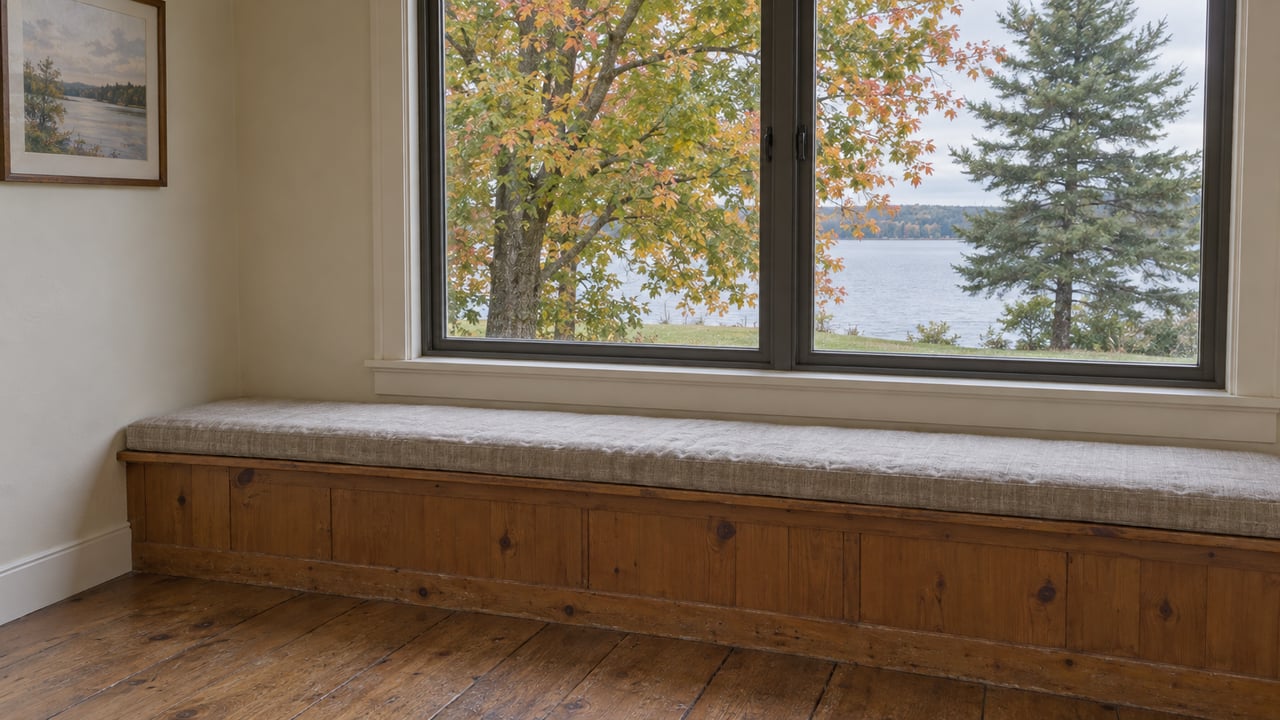
Water drives demand here. Premiums vary based on whether your property has private frontage, a view with walkable access, or nearby neighborhood access, plus lake quality and any flood risk. Research summarized in a National Academies review of waterfront premiums shows measurable but highly site-specific premiums. Locally, buyers compare feet of frontage, dock potential, launch access, and setback rules first.
Acreage and utility
Acreage adds value when it is usable. The first few buildable acres near a road or lake are usually worth more per acre than remote timberland. Per-acre pricing is not linear because access, topography, wetlands, and utilities change the buyer pool. Separate the value of the dwelling and immediate yard from the value of the larger landholding when you price.
Condition and presentation
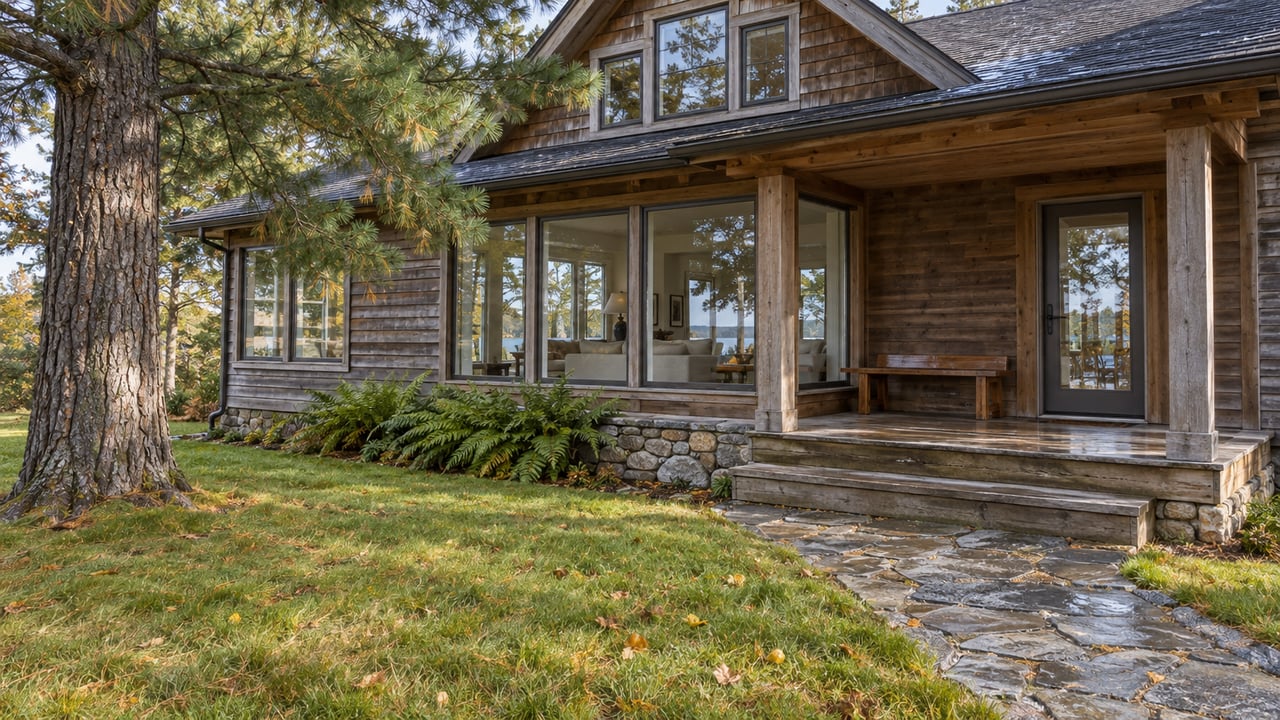
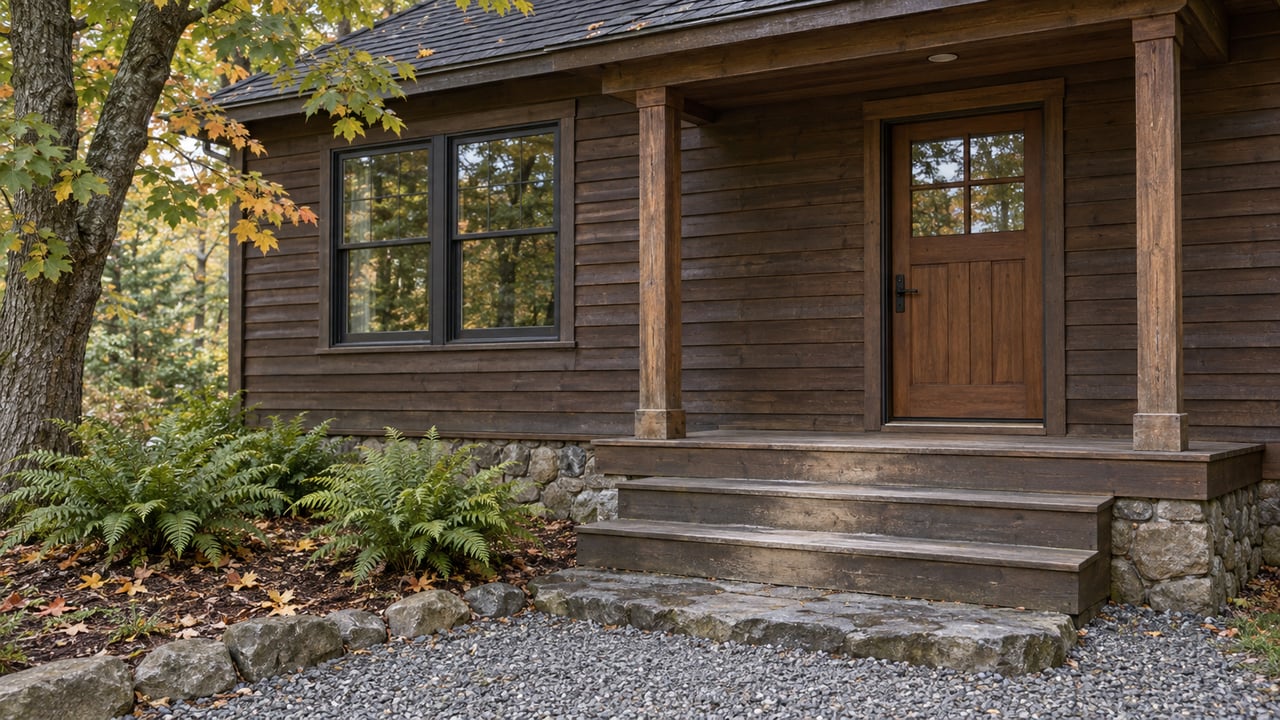
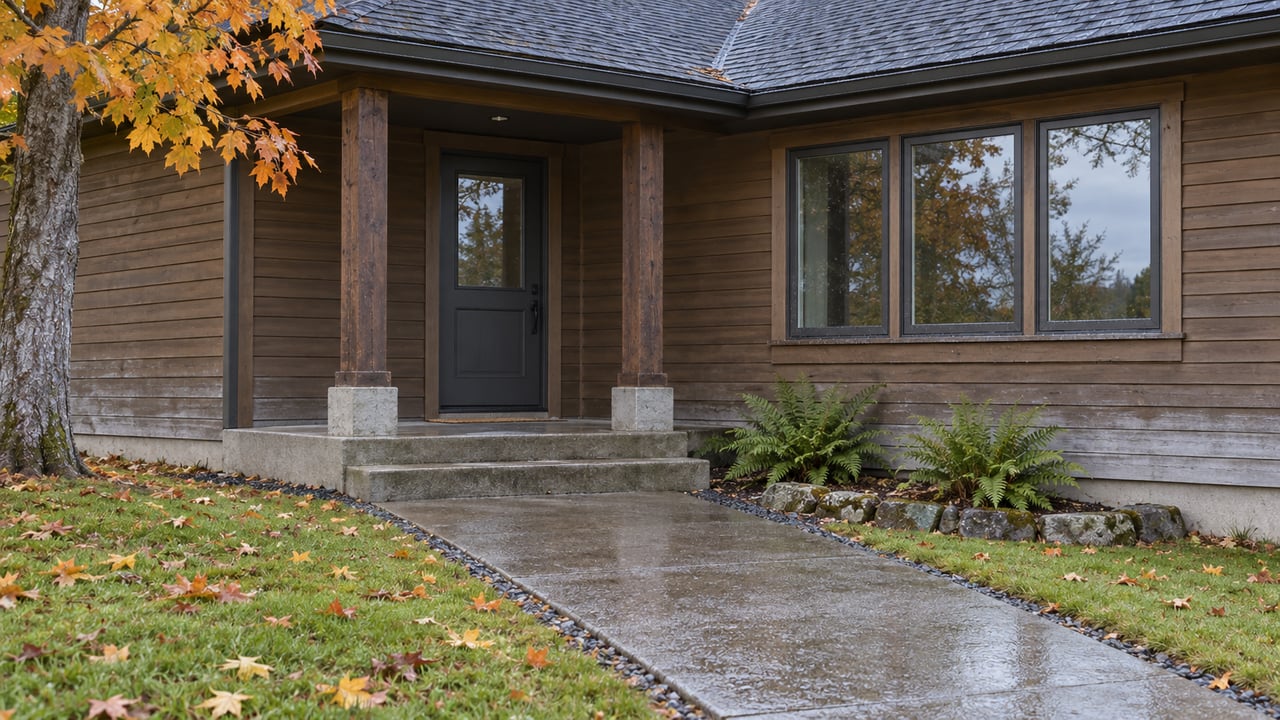
Condition is a lever you control. Modest, high-ROI upgrades tend to outperform major remodels at resale. Exterior curb appeal, minor kitchen or bath refreshes, and visible mechanicals in good order often deliver the best return according to Kiplinger’s summary of Cost vs. Value data. Staging also matters: a recent NAR survey findings on staging notes that staging helps buyers visualize properties and can reduce time on market.
Market context and timing
Inventory, interest rates, and seasonality shape your pricing strategy. Spring into early summer usually brings more showings, especially for lake properties when shorelines and docks photograph well and access is easy. Off-season listings can still sell, but the price, marketing, and flexibility need to reflect a smaller buyer pool.
Price your home in three steps
1) Choose the best comps
Start with 3 to 6 recent closed sales that match your micro-market. Prioritize the same lake or river, the same road if possible, and similar home style, size, and condition. Add 2 to 3 active competitors to understand what today’s buyers will compare against.
2) Adjust for differences
Make objective adjustments for square footage, bedrooms and baths, garage or boathouse, frontage, acreage, condition, and the date of sale. Adjustments explain why one comp might be worth more or less than your home. This is standard practice under Appraisal Institute guidance.
3) Reconcile a range and strategy
Use the adjusted comps to set a realistic list range, not a single number. Then pick your strategy: price to move quickly, or list at the high end and allow more time. For a simple overview of what a strong CMA includes, review this clear CMA framework.
Two pricing strategies
- Marketed to get offers: List at the middle of the CMA range, or slightly below in a busy window, to drive showings and potential multiple offers.
- Marketed to maximize: List at the top of the CMA range with full staging, strong visuals, and patience. Expect longer market time and stay responsive to feedback.
Your pre-list checklist
- Verify the basics: Confirm legal acreage, parcel number, recorded easements, and any shoreland setbacks using the Bayfield County parcel maps.
- Document water and land: Measure or confirm frontage, note access points, and outline utilities. If unusual, consider a fee appraisal to support value.
- Tackle high-ROI fixes: Prioritize curb appeal, minor kitchen or bath refreshes, paint, and visible systems in working order, as outlined in Kiplinger’s summary of Cost vs. Value data.
- Stage for the lake buyer: Declutter, brighten, and stage key rooms. If many buyers are out of town, consider virtual staging and a strong media package supported by the NAR survey findings on staging.
Local examples to set expectations
Recent local listing snapshots show why pricing is a range. Small buildable lake lots have appeared around $135,000, while large riverfront tracts or rare estate properties can go well above $1 million. Modest year-round homes in the Iron River postal area have also sold in the mid $100s, depending on condition and location. Treat these as illustrations only; your actual value depends on your frontage, acreage utility, condition, and the closest closed sales.
Ready to price with confidence?
If you want a precise, local pricing plan for your Iron River property, let’s talk. You will get an MLS-backed CMA that accounts for water, acreage, and condition, plus a clear strategy for timing and presentation. Schedule a quick conversation with Peggy Kman to get started.
FAQs
How do I price a waterfront home in Iron River, WI?
- Start with recent closed sales on the same lake or river, adjust for feet of frontage, access, condition, and date, then reconcile a range using standard Appraisal Institute guidance.
How much does lake frontage add to my Iron River value?
- There is no fixed percent; a National Academies review shows waterfront premiums vary widely by lake quality, frontage, access, and risk, so request a frontage-specific CMA.
Does more acreage always mean a higher price per acre in Bayfield County?
- No; usable, buildable acres near roads or water are often worth more per acre than remote timberland, so emphasize access, topography, wetlands, and utilities when pricing.
What pre-list improvements pay off best for Iron River sellers?
- Focus on curb appeal, minor kitchen or bath updates, paint, and visible systems in working order, which often recover more at resale per Kiplinger’s Cost vs. Value summary.
What documents should I gather before pricing my Iron River property?
- Pull parcel and tax records, recorded easements, and shoreland setback details from the Bayfield County parcel maps, plus any well, septic, and recent repair invoices to support value.