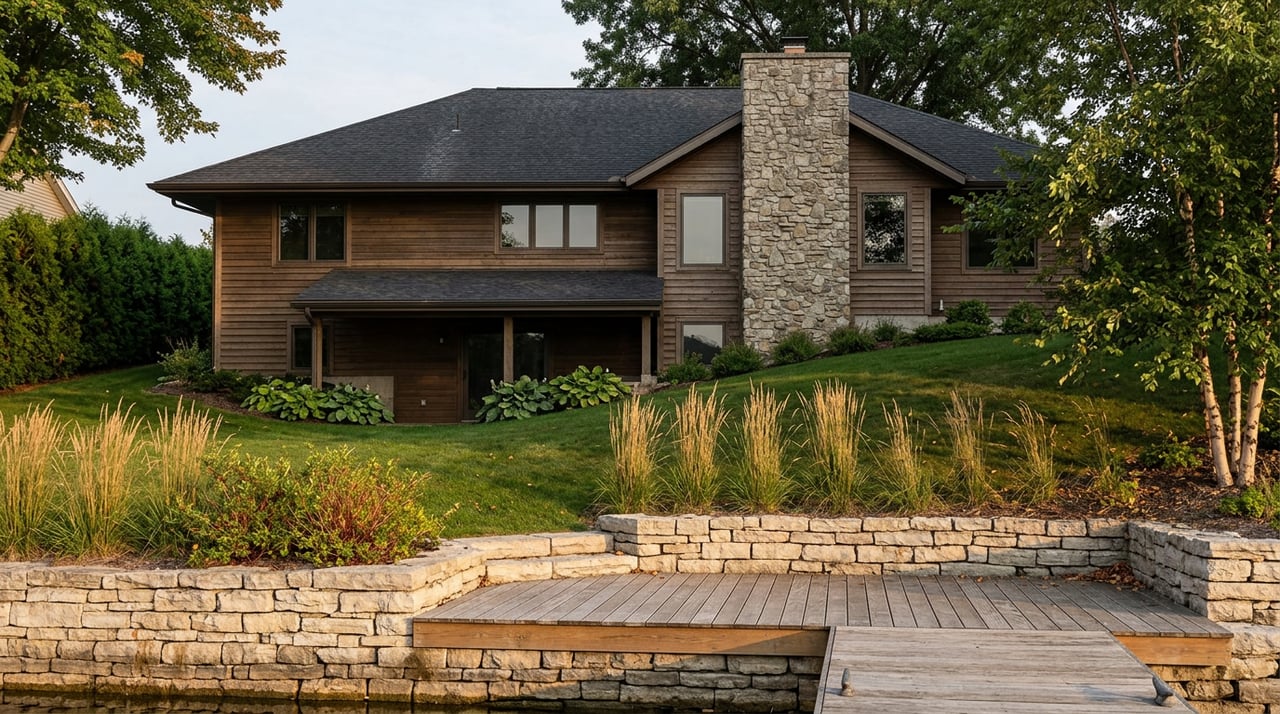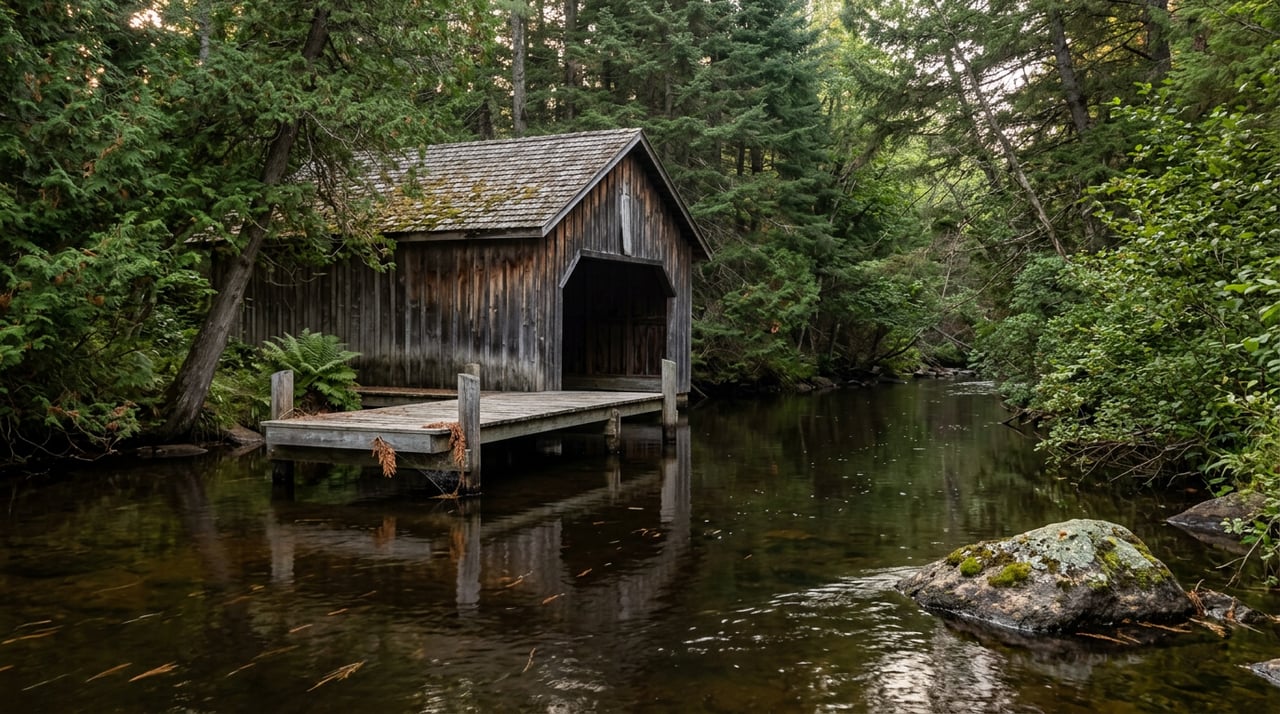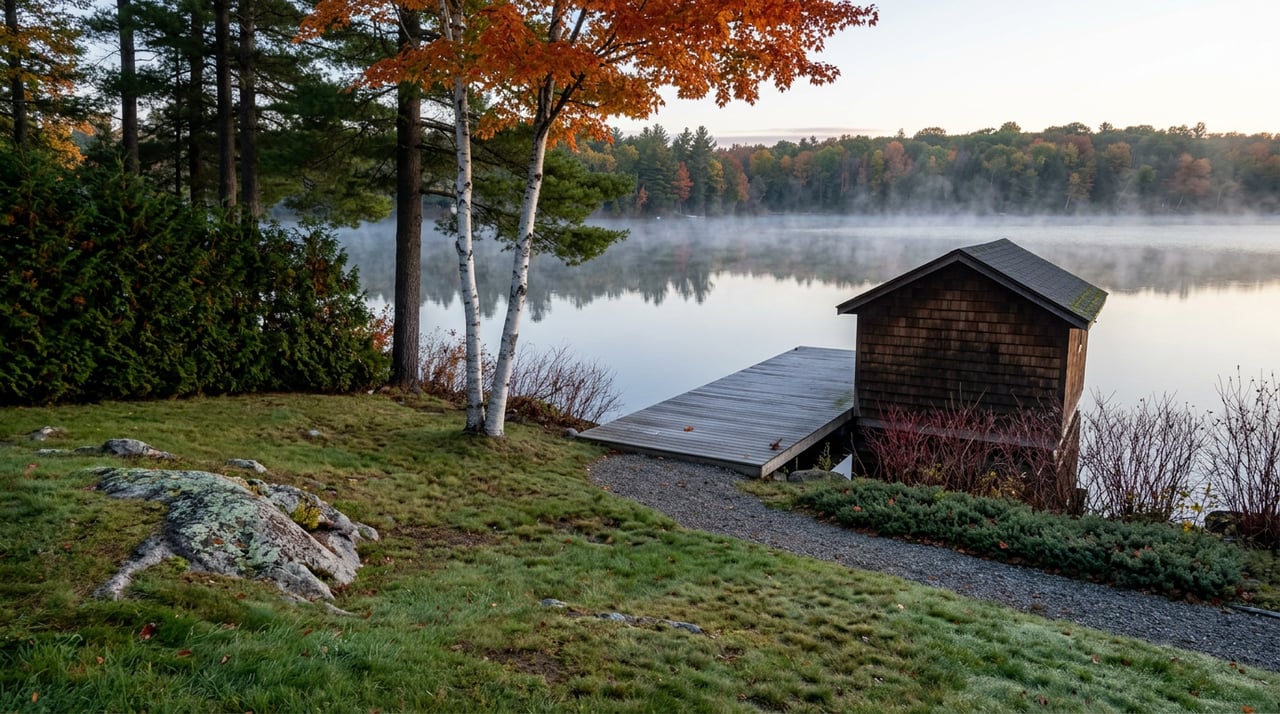
Labor Day is still a week out, and the parking apron at Twin Bear County Park already looks different than it did in July. Fewer trailers backed up to the ramp. Fewer coolers wheeled down the gravel toward pontoons. If you judge the Pike Chain of Lakes by boat traffic alone, you'd guess the season is winding down.
It isn't. It's changing hands.
The six connected lakes that make up the chain, Buskey Bay, Lake Millicent, Hart, Flynn, Twin Bear, and Eagle, cover nearly 900 acres of Bayfield County water according to the 2008 management plan that still guides how the chain is monitored today. All summer, that water carries swimmers, tubers, and weekend pontoon traffic. Once the tourist rentals thin out after Labor Day, the same water starts carrying something else: anglers who've been waiting since June for the muskies to move into feeding mode.
That's the part of the calendar most visitors never see, because they've already gone home by the time it starts.
Two Access Points, Two Different Crowds
The chain has one public entry that does most of the heavy lifting: Twin Bear County Park, seven miles south of Iron River on County Highway H, owned and operated by Bayfield County. It's the primary boat launch for the whole system, and the county describes Twin Bear Lake itself as a draw for anglers chasing northern pike, walleye, largemouth bass, and bluegill.
The other way onto the water is private. Buskey Bay Resort sits at the south end of Buskey Bay and runs its own launch alongside a restaurant, a bar, dock and pontoon rentals, and cabins. It's less a public amenity than a working lakeside business, one that leans hard on the same tourist rental traffic that drops off once school starts back up around the region.
Put those two access points side by side and you get a rough map of who's actually on the chain at any given point in the year.
| June through August | September through October | |
|---|---|---|
| Primary users at Twin Bear | Families, swimmers, casual anglers | Muskie and walleye anglers working deeper water |
| Buskey Bay Resort traffic | Rental pontoons, weekend guests | Local regulars, off-season quiet |
| Water conditions | Warm, weed lines active near shore | Cooling, fish pushed to 15 to 40 feet |
That last row matters more than it looks. Fall is peak trophy season for muskie on lakes like this one. As the water cools, muskies feed heavily to bulk up before winter, and they hold in deeper structure than the shallow weed edges that dominate a July fishing report. The anglers who know the chain don't consider September a slowdown. They consider it the payoff for a summer of scouting.
The Building That Runs Two Different Businesses
If you want to see the turnover happen in real time, you don't need a boat. You need a barstool at the Battle Axe Saloon on US-2.
The Battle Axe has been a fixture in Iron River long enough that it marked its 20th anniversary on August 1 this year with a crawfish boil and a two-person cornhole tournament, twenty dollars a team, winner take all. Two weeks before that, on July 17, the bar hosted a live music night with the Old 13 String Bandits joined by Bruce W. Nelson and Forrest Mann, the kind of evening that fills a summer patio with people who are in town for the week and want a place to land after a day on the water.
Those are summer nights. They run on volume and turnover, the same rhythm as the rental pontoons a few miles away at Buskey Bay.
What the chain's own lake association has documented over the years is a second life the bar leads once that crowd clears out: a long-running fall muskie tournament tied to the Battle Axe, the kind of event that draws the anglers who've been reading fishing reports all summer rather than the ones passing through for a weekend. It's a different room. Fewer strangers, more names the bartender already knows.
You won't find that shift advertised anywhere, because nobody's trying to sell you on it. It's just what happens to a small-town bar attached to a lake chain once the calendar turns.
Who's Actually Watching the Water
There's a third group on the chain that never shows up in a boat count at all: the volunteers.
The Iron River Area Lakes Association has spent close to two decades on water quality and invasive species work across the chain, tracking Eurasian watermilfoil since it was first confirmed on the system in 2005 and coordinating herbicide treatments in the years that followed. Members also maintain three miles of County Highway H through an Adopt-a-Highway program, the unglamorous kind of stewardship that keeps a lake system usable without anyone posting about it.
That work doesn't pause after Labor Day either. If anything, fall drawdown and the quieter boat traffic make it easier to see what the summer season left behind on the shoreline. The people doing that work are largely the same people you'd find at the Battle Axe in October: full-time or long-season residents who treat the chain as a place they live with, not a place they visit.
What This Means If You're the One Still Here in October
None of this is a pitch. It's just the honest shape of the year on this chain, and it's worth knowing if you're the kind of person who's already here past Labor Day weekend.
The boat traffic drops. The rental cabins empty out. But the fishing gets better, not worse, and the bar down the road starts filling with a crowd that knows each other's names. Iron River itself still covers the basics you'd need for that stretch of the year, fuel, groceries, hardware, a handful of dining spots, which means you're not stranded once the tourist infrastructure winds down for the season.
The Pike Chain in October isn't a lesser version of the Pike Chain in July. It's a different chain entirely, run by a smaller and more permanent set of hands. If you've only ever seen it in the middle of summer, you've seen maybe half of what it actually is.
If you're weighing what year-round life on the Pike Chain of Lakes really looks like, past the surface-level rental season, Peggy Kman has spent decades watching this exact chain change hands with the seasons. Schedule a free consultation to talk through what that looks like for your own plans on the water.