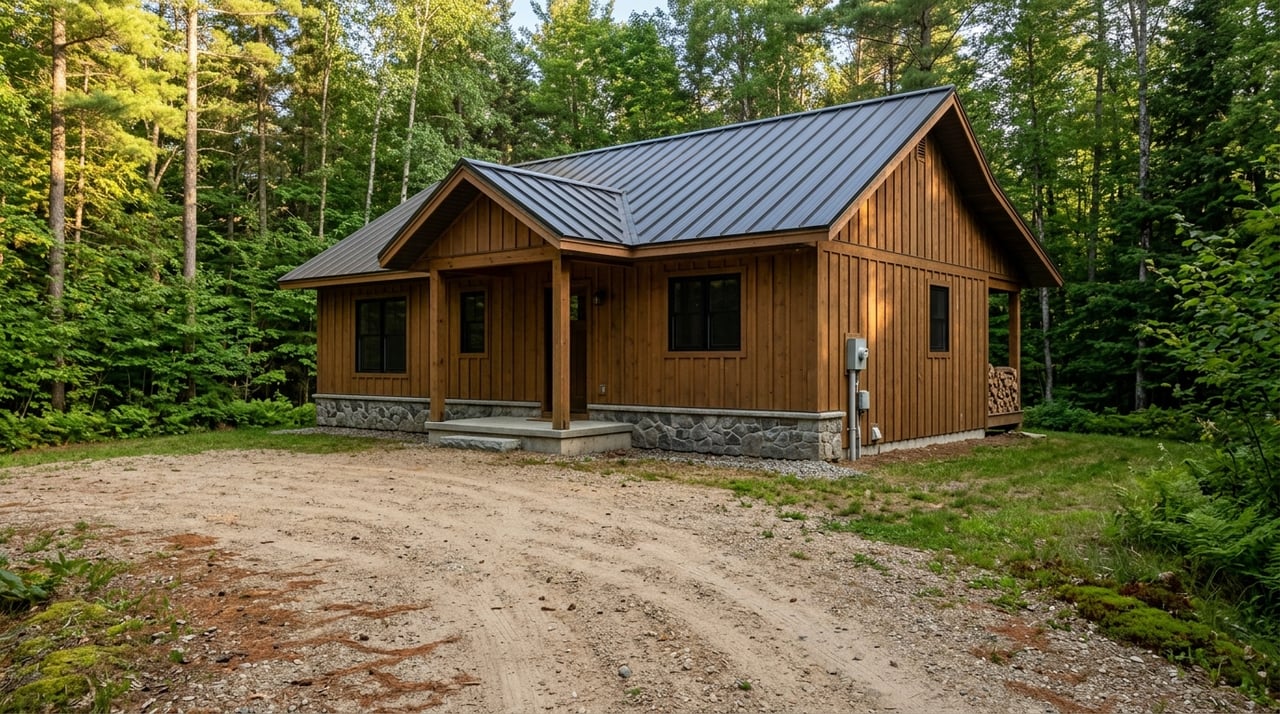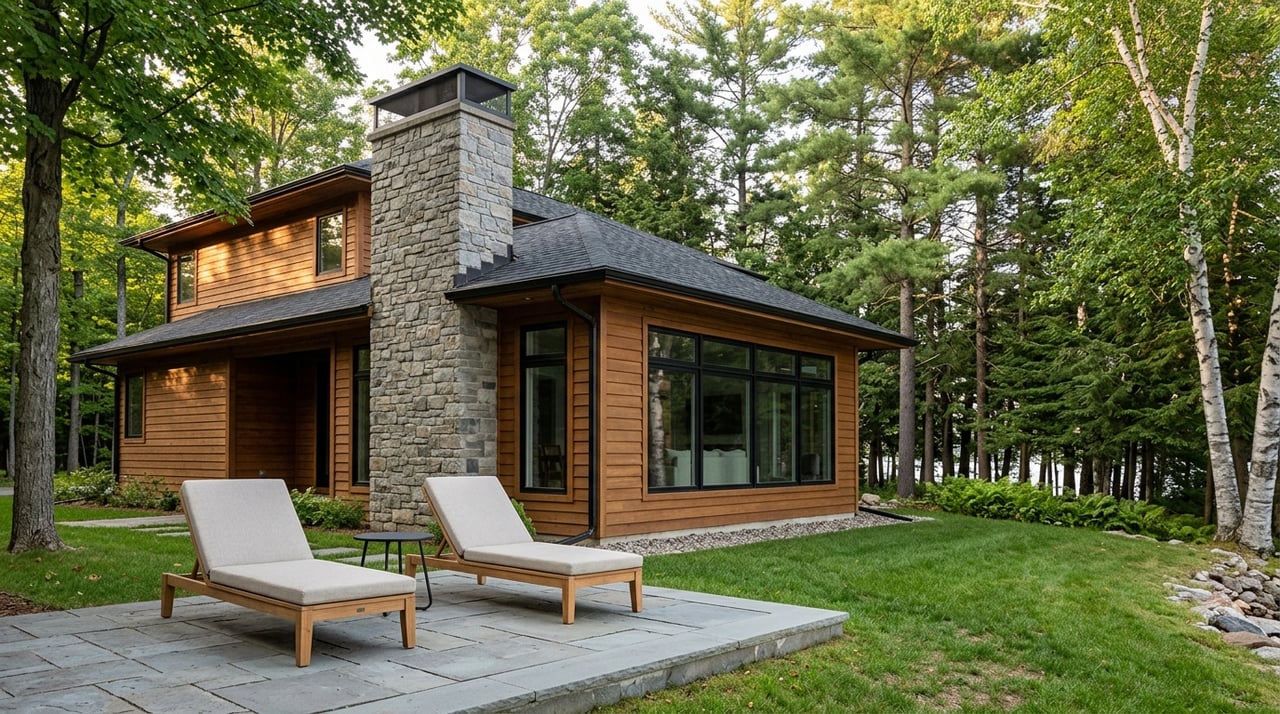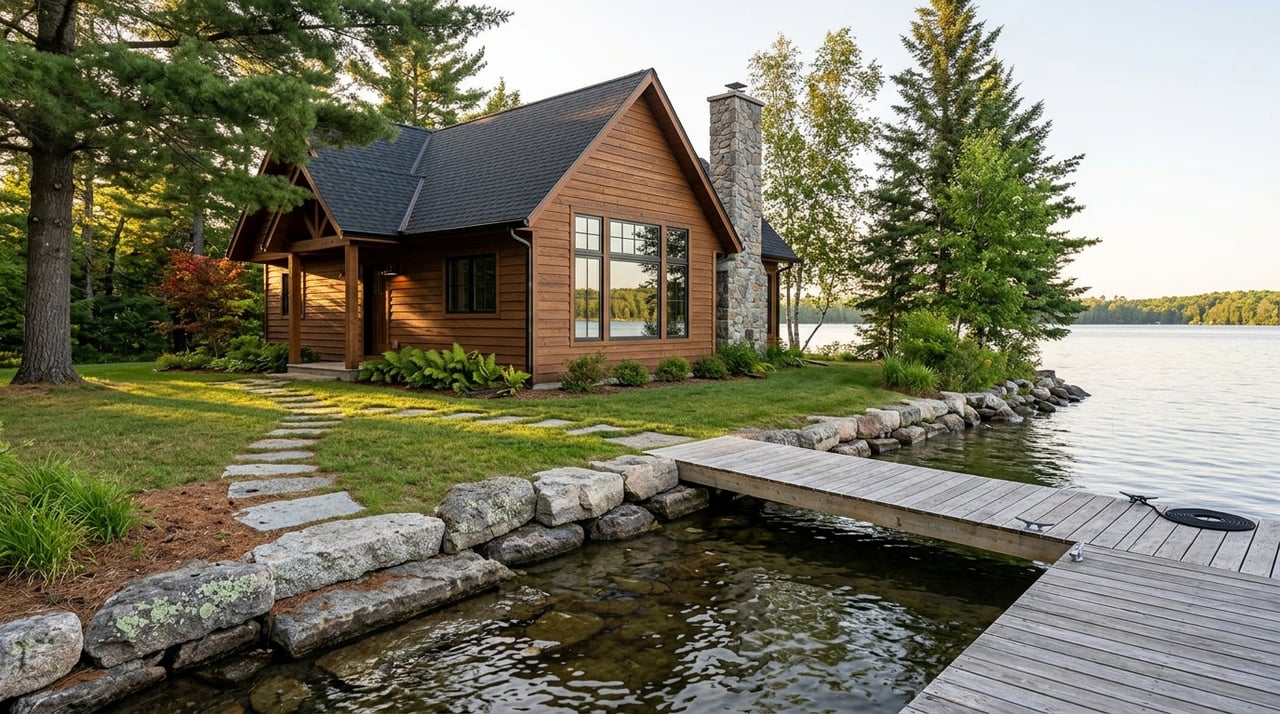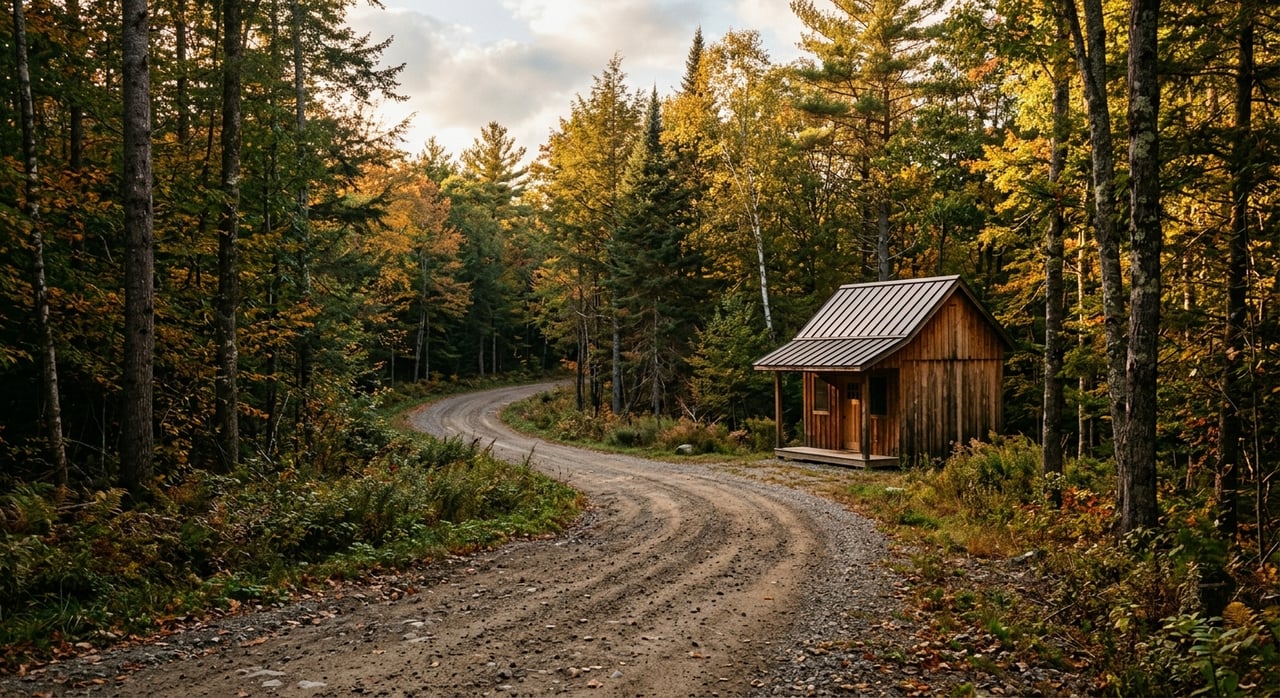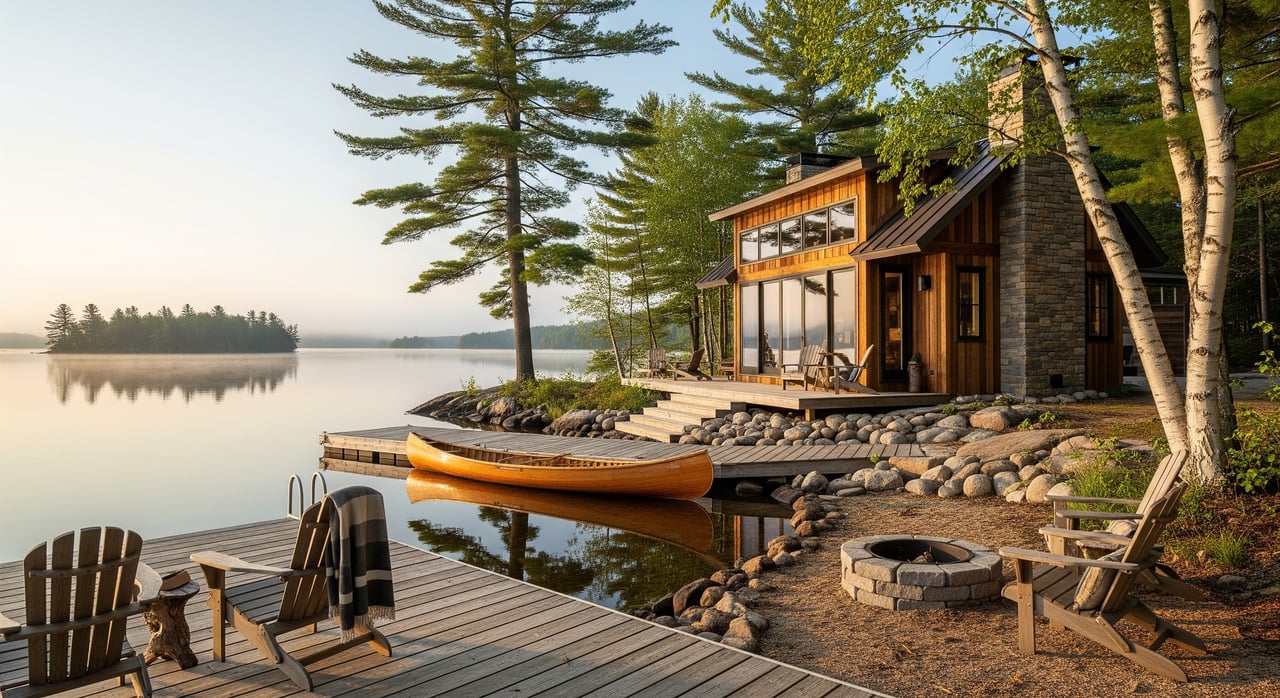
What if your morning coffee came with loon calls, glassy water, and a short paddle to a quiet bay before the day begins? If you have been dreaming about a Northwoods retreat, a cabin on the Pike Chain of Lakes near Iron River offers that classic, woods-and-water rhythm with a practical side you should understand. You want the fun and the peace, without surprises. In this guide, you will learn how the seasons flow, what day-to-day life looks like, and the key ownership details to consider before you buy. Let’s dive in.
Pike Chain location and feel
The Pike Chain of Lakes sits in the Northwoods of Bayfield County near Iron River in ZIP code 54847. You are surrounded by mixed hardwoods and conifers, rolling glacial landforms, and connected inland lakes that create varied shorelines and quiet coves. Iron River covers basics like fuel, groceries, hardware, and a few dining spots, while larger regional centers offer wider medical and retail options. Plan for rural distances when you need specialty services.
A lake “chain” means you can explore multiple connected basins by water. You may cruise through a narrow channel to an open basin, or tuck into a smaller bay for swimming. Different basins can feel different on the same day. Some areas are active on summer weekends, while others stay calm.
Seasons at the lake
Life on the Pike Chain follows a strong seasonal rhythm. Your routine will change with the calendar and the weather.
Spring: reset and ramp-up
Ice-out typically arrives in April or May in northern Wisconsin, though it varies each year. Spring brings pre-season fishing, dock installation, boat commissioning, and shoreline cleanup. Roads can be soft and muddy, and spring runoff may raise water levels. Expect a higher workload early in the season as you ready the cabin for summer.
Summer: peak play and long days
Summer is the heartbeat of cabin life. You will see long daylight hours, daily boat rides, swimming off the dock, and campfires that stretch past sunset. Waterskiing, tubing, kayaking, and cruising between basins are common. Weekends and holidays are social, and local businesses keep extended hours. Maintenance is lighter, focused on lawn and shore care and keeping an eye on septic function.
Fall: color and quiet
Fall cools the air and the pace. Weekday occupancy drops, and weekends become a favorite time for quiet dock coffee and foliage viewing. Fishing can be excellent. You will start to winterize, plan boat storage, and prepare plumbing if you close the cabin for the season. Many owners also reassess projects and, in some years, consider listing as the market transitions from summer.
Winter: deep Northwoods and quiet access
Lakes typically freeze by late fall or early winter, but thickness and safety change each year. Winter brings ice fishing, snowmobiling, cross-country skiing, and neighbor visits. Some cabins are used year-round, while many are closed. If you visit in winter, plan for plowing, roof clearing if needed, and heating fuel. Private drive maintenance may be your responsibility.
Recreation highlights
You will find a wide mix of lake activities on the Pike Chain. A chain encourages variety and exploration.
- Boating: pontoons, runabouts, fishing boats, and kayaks are common. Cruising between basins is part of the fun.
- Fishing: expect typical Northwoods species like northern pike, walleye, bass, and panfish. Success varies with season and lake conditions.
- Swimming: sandy stretches and shallow bays warm earlier; weedy areas can be common in parts of the chain.
- Paddling: a quiet morning paddle through a narrow channel is a classic Pike Chain experience.
- Winter sports: ice fishing and snowmobiling are part of the culture. Always verify ice conditions locally before going out.
Wildlife and stewardship
The chain supports rich Northwoods wildlife. You will likely see deer, bald eagles, loons, ducks, otter, beaver, and a wide range of songbirds. Loons can be sensitive to disturbance, especially during nesting. Give them space and slow your approach.
Stewardship is part of ownership. Aquatic invasive species like Eurasian watermilfoil or spiny waterflea are concerns in many Wisconsin lakes. Practice clean, drain, and dry protocols for boats and gear. Native shoreline buffers help prevent erosion and protect water quality. Follow local guidance on docks, vegetation, and shoreline changes to keep the lake healthy.
Ownership basics
Cabins around the Pike Chain can be seasonal cottages, year-round homes, or rental properties. Zoning, shoreland setbacks, and septic regulations shape what you can build or modify. Wider shoreline frontage typically offers more private use and views but can carry higher purchase prices. Narrow, wooded lots are common and can feel very private.
Docks, lifts, and boathouses often need permits. Confirm requirements with Bayfield County and the Town of Iron River. If a property owners’ association or lake association exists, learn the rules around docks, quiet hours, and rentals.
Utilities and services
- Water: Most cabins rely on private wells. Ask about well depth, flow, and recent water quality testing.
- Wastewater: Septic systems are standard. Plan for inspections, regular pumping every 3 to 5 years depending on use, and eventual replacement costs over the long term.
- Electricity: Grid service is typical, but rural lines can mean long service drops. Some owners supplement with generators.
- Heating: Wood, propane, and electric heat are common. Winter visits require timely fuel deliveries or stacked firewood.
- Internet and cell: Coverage varies by location. Many owners use satellite, fixed wireless, or cellular boosters.
- Road access: Roads can be county, town, or private. Ask who handles maintenance and snow plowing and whether there are shared costs.
Costs to expect
Owning a cabin on the Pike Chain includes ongoing expenses beyond the mortgage.
- Property taxes: Waterfront parcels often carry premiums; rates vary by municipality and classification.
- Insurance: Expect homeowners’ coverage tailored to waterfront and seasonal use, plus boat and umbrella liability if you own watercraft.
- Maintenance: Budget for dock installation and removal, shoreline care, septic pumping, tree work, and routine cabin upkeep.
- Utilities and fuel: Propane, electricity, and periodic well and septic servicing.
- Association dues: If your area has an HOA or lake association, review dues and rules.
Rentals and rules
If you plan to rent the cabin short term, verify local ordinances, county permits, sanitation requirements, and insurance needs. Rules can cap or regulate short-term rentals and may change over time. If you earn rental income, you may need to register and handle sales or room taxes. Clarify these details before you close.
Safety and winter access
Water safety matters on a chain. Carry life jackets, know shallow or weedy stretches, and be mindful of wakes in narrow channels. In winter, confirm ice thickness with local sources before walking or driving on the lake. Emergency response times can be longer in rural areas, so save the nearest ambulance, clinic, hospital, and volunteer fire department contacts.
Community life
The Pike Chain draws a mix of long-time residents, seasonal families, and newer second-home owners. Summer weekends can feel social, with neighbors out on decks and docks. Volunteer groups and lake associations often organize events, stewardship projects, and friendly gatherings. Smaller basins and coves tend to stay quieter, especially midweek and in the shoulder seasons.
Day-in-the-life: imagining your year
- A June Saturday: You wake to loon calls, pull on a sweatshirt, and jig for walleye before breakfast. By afternoon, the pontoon is out and you cruise to a neighboring basin. As the sun sets, a campfire brings neighbors over for s’mores.
- An October weekend: Coffee on a cool dock while maples reflect red and gold on the water. A hike or ATV ride fills the day, and an early dinner sets you up for one more sunset paddle.
- A January visit: You arrive to a plowed drive and a quiet, snowy shoreline. Heat kicks on, the woodstove warms the room, and a short snowshoe loop ends with hot cocoa and stars over the frozen chain.
Buyer checklist
Use this quick list to focus your search and due diligence.
- Visit in multiple seasons, including a summer weekend and an off-season trip. Consider a winter check if you plan year-round use.
- Confirm public boat landings and rights of way near your preferred basin.
- Request recent lake water quality info and review Wisconsin DNR lake reports.
- Ask for septic inspection records and pump history. Understand system age and type.
- Verify shoreland zoning, setbacks, and permit history with Bayfield County and the Town of Iron River.
- Check for any lake association rules, covenants, easements, or shared access.
- Confirm utilities: well yield and testing, septic status, electrical service, and internet options.
- Understand road maintenance and snow-plowing responsibilities for the property.
- Talk with nearby owners about typical noise, boat traffic, and social rhythms.
- Consult your insurance agent about seasonal occupancy clauses and water or ice liability.
Next steps
Owning a cabin on the Pike Chain can deliver the Northwoods lifestyle you have been seeking, from long summer days on the water to quiet winter escapes. The key is balancing the dream with the details. With the right guidance on zoning, utilities, maintenance, and community norms, you can buy confidently and settle into lake life with ease. If you are ready to explore cabins around Iron River or want a second opinion on a specific property, connect with Peggy Kman for local, high-touch guidance.
FAQs
What makes the Pike Chain different from a single lake?
- Multiple connected basins offer varied shorelines, quieter bays, and larger open water, so you can choose between calm paddling or more active boating.
How busy are Pike Chain summers on weekends?
- Activity varies by basin; some areas are lively on summer weekends while smaller coves stay quieter, especially midweek.
What should I know about septic systems at Pike Chain cabins?
- Most cabins use septic; budget for regular pumping every 3 to 5 years based on use and confirm inspection records before you buy.
Is winter access reliable for Pike Chain properties?
- It depends on your road type and maintenance arrangements; many private drives require owners to coordinate snow plowing and plan for heating.
Are short-term rentals allowed near Iron River and the Pike Chain?
- Rules and permits vary by county, town, and association; verify local ordinances, sanitation requirements, and insurance needs before renting.
What wildlife and insects should I expect at a Pike Chain cabin?
- Expect deer, eagles, loons, and other Northwoods species; mosquitoes and blackflies are most noticeable in spring and early summer.