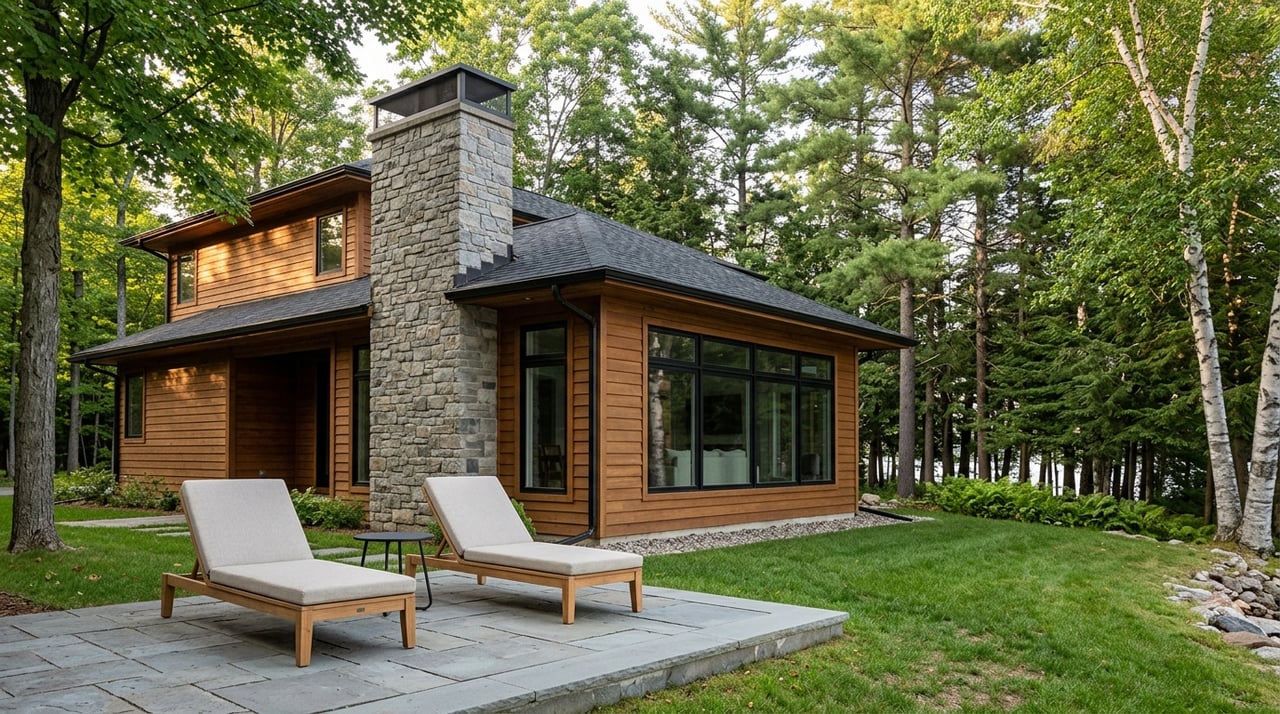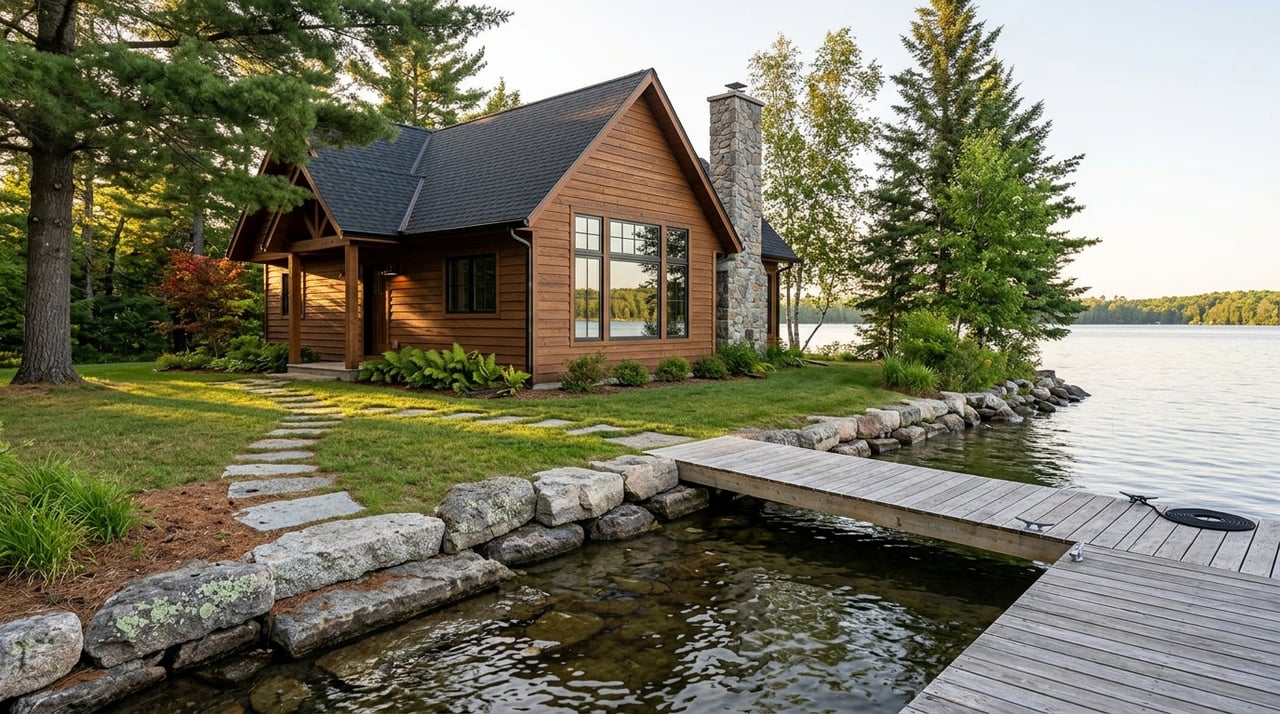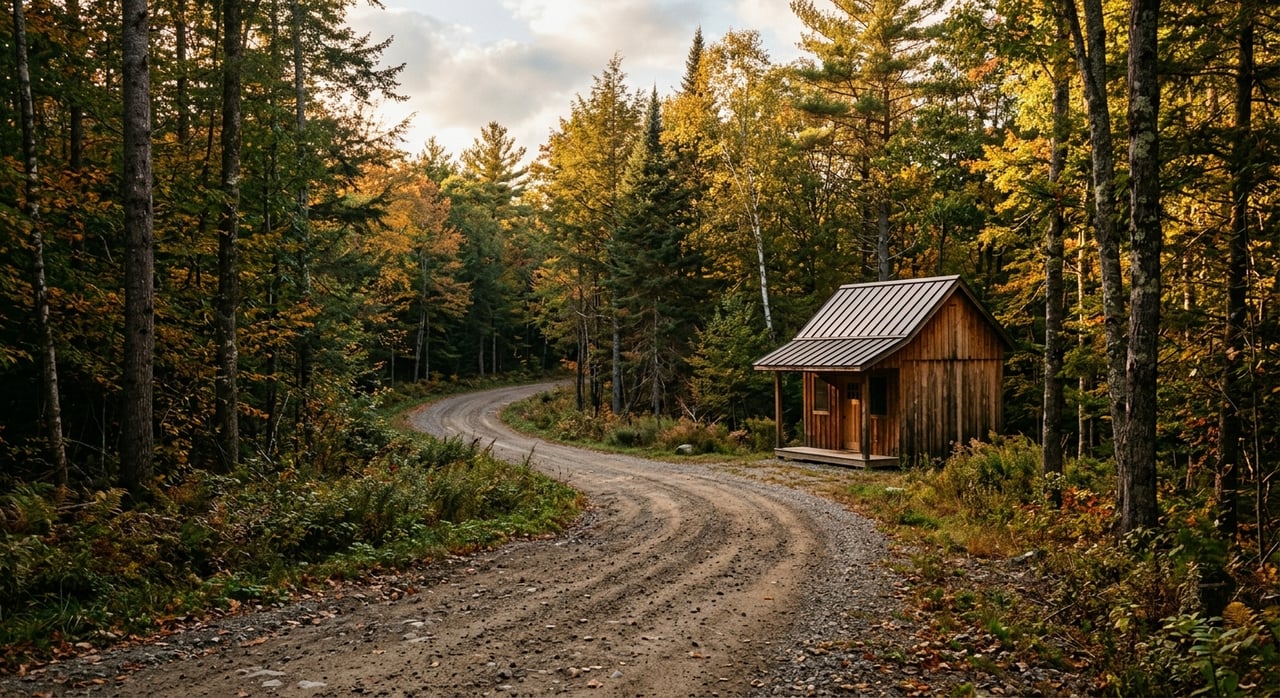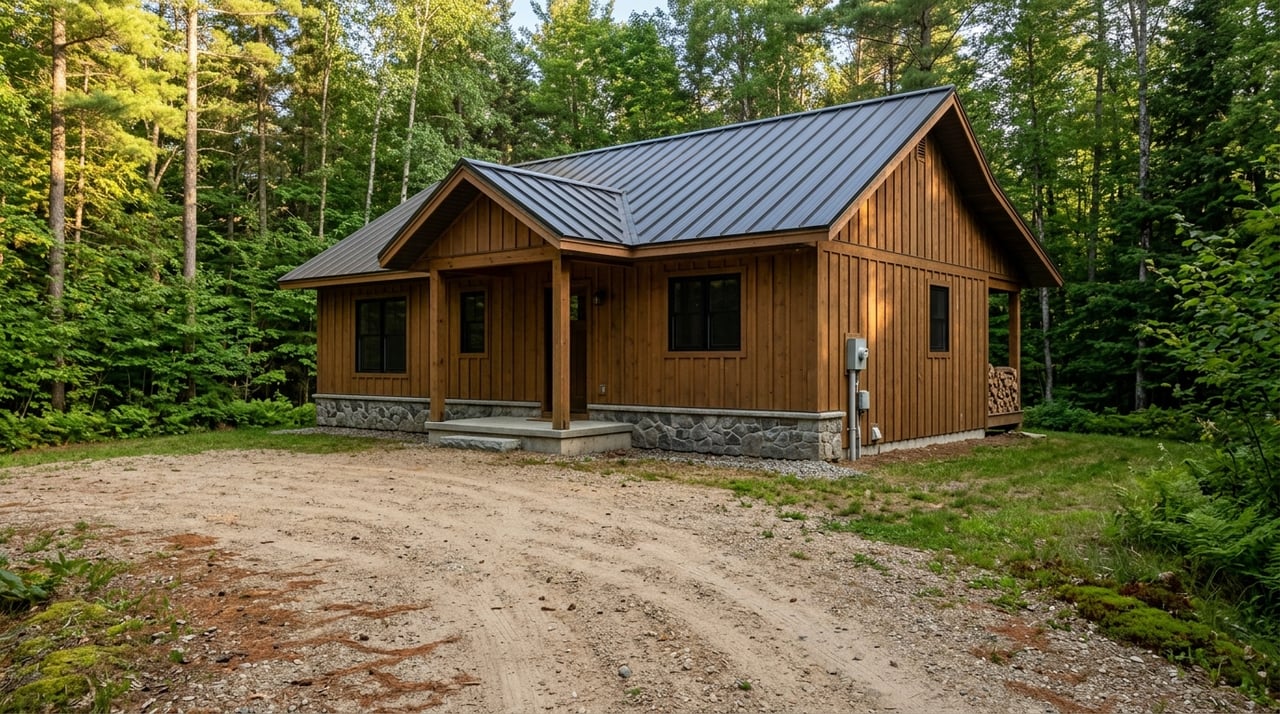
If you are dreaming about building a cabin on Delta acreage, the biggest question is not always the floor plan. It is whether the land can legally and practically support the kind of cabin you want to build. In Delta, that means looking closely at zoning, septic, well planning, legal access, and permit timing before you clear a tree or sketch a layout. Let’s dive in.
Why parcel screening comes first
When you buy raw land in Delta, the parcel itself usually determines what is possible. Bayfield County’s planning tools can help you review zoning districts, future land use, transportation, soil drainage, major soil groups, bedrock, and natural resource protection before you invest in design work.
That early review can save you time and money. A beautiful piece of acreage may still have limits tied to setbacks, lot size, soils, wetlands, or road access. In many cases, the smartest first step is confirming buildability before you focus on cabin style.
Zoning and future land use are not the same
Bayfield County makes an important distinction here. Zoning district maps regulate what can be built, along with lot size, setbacks, and uses, while future land use maps show the broader direction an area may take over time.
For you as a buyer, that means a parcel that looks appealing on a map may still need closer zoning review. Future land use can provide context, but zoning rules are what directly shape your build options today.
Shoreland rules can reshape your plans
If the acreage sits near water, shoreland rules may affect the cabin footprint, accessory structures, and even vegetation management. In Bayfield County, shoreland generally includes land within 1,000 feet of a navigable lake, pond, or flowage, or within 300 feet of a navigable river or stream, or to the landward side of the floodplain, whichever is greater.
That matters because the county requires a permit for any and all structures in shoreland areas. For waterfront or near-water acreage, setbacks and buffer expectations can shape the build envelope just as much as your design preferences do.
Older or irregular parcels may need extra review
Not every parcel fits current standards cleanly. If a lot is undersized or otherwise substandard, Bayfield County notes that a variance may be needed before a building permit can be issued.
This can come up with older land splits or unusual lot shapes. It does not always stop a project, but it can change your timeline and your planning strategy.
Follow the permit sequence carefully
In Delta and Bayfield County, permit order matters. If public sewer is not available, the sanitary permit comes first, and that step often drives the rest of the build process.
Many buyers are surprised by this. A cabin project that looks simple on paper can still involve county sanitary review, land use approval, building permits, and, depending on the site, added review for shoreland, wetland, or floodplain issues.
Start with the sanitary permit
Bayfield County says the sanitary permit must be obtained before the county land use permit and state building permit process moves forward when public sewer is not available. The county Planning and Zoning Office issues and inspects private onsite wastewater treatment system permits.
If your future cabin will have sinks, showers, toilets, or other water fixtures, this step is essential. If no water fixtures are planned, a privy may be an option, but that should be confirmed early.
Land use permits are widely required
A land use permit is required for a new residence or habitable building, most new structures, land-use changes, and all structures in shoreland, wetland, or floodplain areas. Bayfield County also says the permit must be posted before construction begins.
A typical application may require a completed form, fee, site plan, and sometimes floor plans, elevations, and proof of ownership. If your parcel involves special-use review, rezoning, or environmental overlays, you may need more documentation.
Permit delays are often preventable
Bayfield County notes that incomplete applications and unclear site plans are among the most common reasons for delays. The county also says a land use permit expires after 24 months if the authorized building activity has not begun.
That means timing matters. If you buy land now but plan to build later, it helps to match your permit schedule to a realistic construction plan.
Utilities often drive the real budget
When buyers picture cabin costs, they often think first about lumber, roofing, and finishes. On raw acreage, utilities and access can be just as important, and sometimes more expensive than expected.
Before you settle on a cabin footprint, it is smart to understand septic feasibility, well planning, and driveway requirements. These items can affect both your usable building area and your overall budget.
Septic feasibility depends on soils
In Bayfield County, septic feasibility is soil-driven. A septic project requires a soil test by a Wisconsin-certified soil tester, and some systems also require plans prepared by a qualified design professional or licensed master plumber.
This is one reason parcel screening matters so much. If the soils do not support the system you expected, your cabin location, size, or cost may need to change.
Well planning starts before drilling
If you plan to install a private well, Wisconsin requires advance notice before construction. A Well Construction Notification Number must be obtained before work begins.
Long term, private wells also need regular care. Wisconsin DHS says the well owner is responsible for protecting and maintaining the well, and recommends annual bacteria and nitrate testing.
Driveway approval is a major checkpoint
In Delta, driveway access is not a small detail. The town’s driveway application states that access to a town road requires town approval, access to a county highway requires a county permit, and an approved driveway permit must be in place before a building permit can be issued.
The local rules also set expectations for width, clearance, grade, and turnaround space. Since driveway maintenance remains the owner’s responsibility, it is wise to think beyond installation and consider snow storage, winter access, and emergency vehicle turning room from the start.
Plan around the way you will really use it
The best cabin plans fit your long-term goals, not just your current wish list. A hunting base, seasonal retreat, future retirement home, and possible short-term rental can all have very different planning needs.
That is why it helps to define your intended use early. The more clearly you understand how you want to live on the land, the easier it is to choose the right parcel and the right permit path.
Recreation land may have added use considerations
If you are buying acreage for hunting or outdoor recreation, verify the parcel’s legal status before assuming it can be used the way it looks. If land is enrolled in Managed Forest Law or Forest Crop Law, public access and use expectations may differ.
For example, open MFL land allows activities like hunting, fishing, hiking, sight-seeing, and cross-country skiing, while FCL land allows hunting and fishing. Since status can change, it is important to confirm the current enrollment and access details for the specific parcel.
Future rental plans need early review
If you think the property could later become a short-term rental, that should be part of your planning now. Bayfield County treats short-term rentals as a separate use that can require a county permit and a DATCP Tourist Rooming House license.
That kind of future use can affect how you approach layout, parking, utilities, and permitting. It is much easier to account for those factors up front than to retrofit the property later.
Accessory-first plans can create problems later
Some buyers consider starting with a garage or accessory building and converting it later. In Bayfield County, human habitation requires proper permitting and a code-compliant sanitary system.
So if your end goal is a cabin or dwelling, it is usually better to plan for that use from the beginning. That can help you avoid delays, redesign costs, and mismatched improvements.
A practical Delta cabin checklist
Before you close on raw acreage in Delta, make sure you can answer these questions clearly:
- Is there legal access to the parcel?
- What is the driveway permit path for the road frontage?
- Is the parcel in shoreland, wetland, or floodplain areas?
- Does the site support a septic system where you want to build?
- Where could a well be located, and what notice is required?
- Is the parcel enrolled in MFL or FCL?
- Does your intended use match current county rules?
- Have you confirmed current zoning requirements during Bayfield County’s 2026 zoning rewrite?
Each answer helps you move from a good-looking piece of land to a realistic build plan. That kind of due diligence can make the difference between a smooth project and an expensive surprise.
If you are considering Delta acreage, it helps to work with someone who understands how land, access, and long-term use come together in Bayfield County. Peggy Kman can help you evaluate land opportunities, ask the right pre-purchase questions, and move forward with more confidence.
FAQs
What should you check before buying Delta acreage for a cabin?
- Confirm zoning, legal access, driveway permit requirements, septic feasibility, well planning, and whether the parcel is in shoreland, wetland, or floodplain areas.
What permits are usually needed for a cabin build in Delta, Wisconsin?
- In many cases, you will need a sanitary permit first if public sewer is unavailable, followed by a county land use permit and applicable building permits.
What does shoreland mean for Bayfield County cabin property?
- Shoreland rules can apply to land within 1,000 feet of a navigable lake, pond, or flowage, or within 300 feet of a navigable river or stream, or to the landward side of the floodplain, whichever is greater.
What can affect septic approval on Delta land?
- Septic approval is largely driven by soils, and Bayfield County requires a soil test by a Wisconsin-certified soil tester.
Can you build first and figure out the driveway later in Delta?
- No. The Town of Delta says an approved driveway permit must be in place before a building permit can be issued.
Can a future short-term rental change your cabin planning in Bayfield County?
- Yes. Bayfield County treats short-term rentals as a separate use that can require a county permit and a DATCP Tourist Rooming House license.